Law Student Awarded $3,000 for Excessive Telemarketing Calls Disrupting Studies
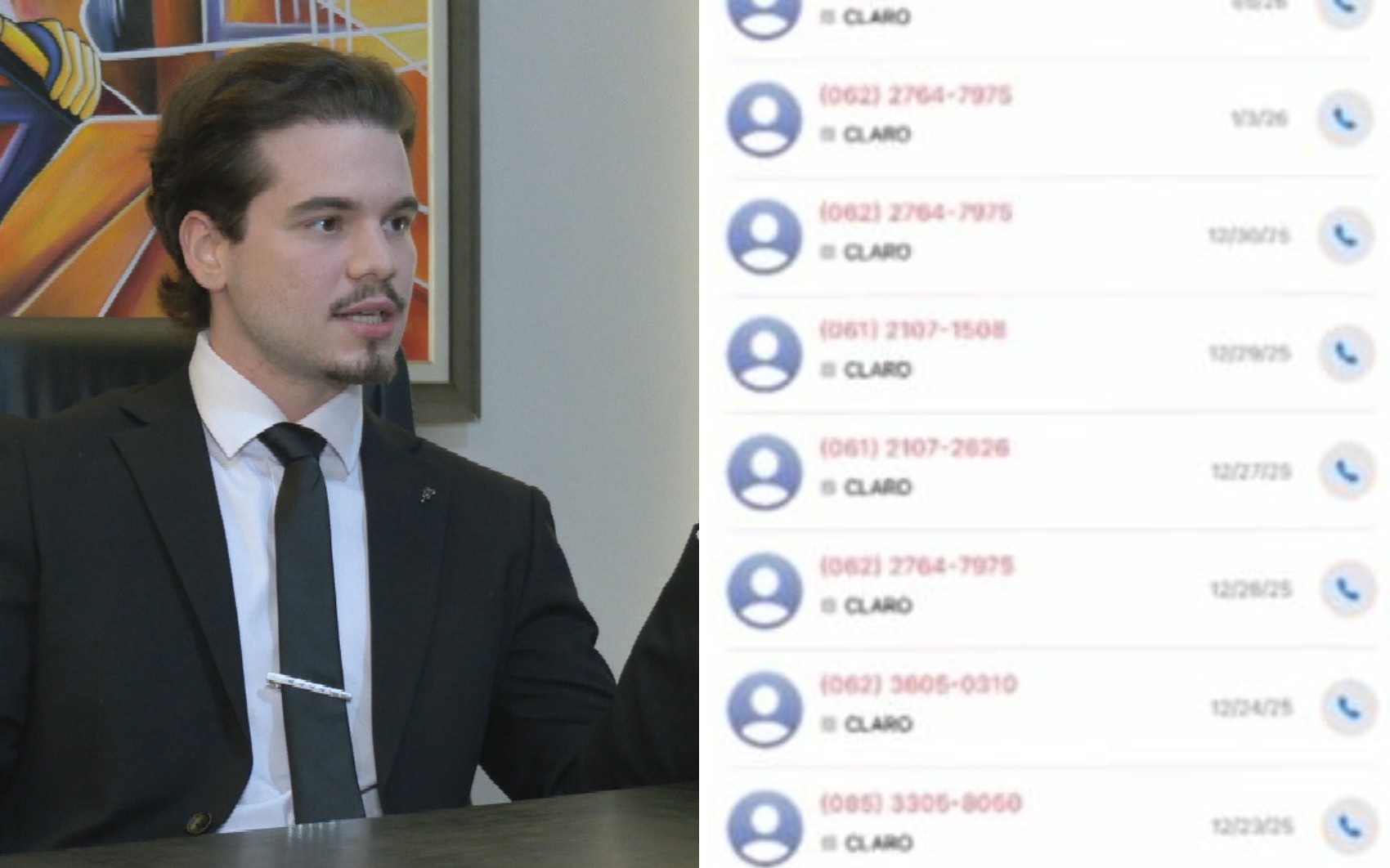
A law student in Goiânia, Brazil, has been awarded R$3,000 (approximately $550 USD) in moral damages from a telecommunications company due to persistent and disruptive marketing calls. Caio Alessandro Oliveira Silva stated that the frequent calls, sometimes numbering up to 100 per day, forced him to interrupt his studies and work. He recounted having to stop his activities, often while assisting clients or preparing for exams, to silence his phone and prevent further disruption. Silva initially sought R$8,000 in damages and an immediate cessation of calls. The initial ruling by Judge Thiago Brandão Boghi of the 2nd Special Civil Court of Aparecida de Goiânia ordered the calls to stop but deemed the moral damages claim unfounded. However, Silva appealed this decision. The 1st Appellate Panel of the Special Courts of Goiás overturned the initial ruling on damages, awarding R$3,000, citing that the amount adhered to principles of reasonableness and proportionality. The panel's rapporteur, Leonardo Aprígio Chaves, stated that persistent calls offering products and services violate personal rights, specifically peace, quiet, and tranquility, constituting an unlawful act eligible for compensation. The telecommunications company, identified as Claro, reportedly stated it does not comment on judicial processes and had denied the excessiveness of calls, claiming they were isolated commercial strategy and that the consumer could block them. Claro also suggested the calls might have originated from third parties. The Goiás Court of Justice noted that the company still has the option to appeal the latest decision.
This case highlights the growing tension between aggressive commercial outreach and consumer rights to privacy and tranquility in the digital age. The legal system's progression from initial dismissal of damages to a compensatory award reflects an evolving recognition of the psychological and practical burdens imposed by incessant telemarketing. The company's defense, suggesting the consumer could block calls and attributing calls to third parties, points to a systemic challenge in regulating unsolicited communications and ensuring accountability for service providers. Future considerations may involve stricter regulatory frameworks for data usage and outbound call management, potentially leveraging AI to identify and mitigate abusive calling patterns, thereby fostering a more balanced commercial ecosystem that respects individual well-being.
AI-generated to prompt reflection — not editorial opinion, not advice, not a statement of fact. How this works.