Law Student Awarded R$3,000 for Over a Year of Excessive Phone Calls
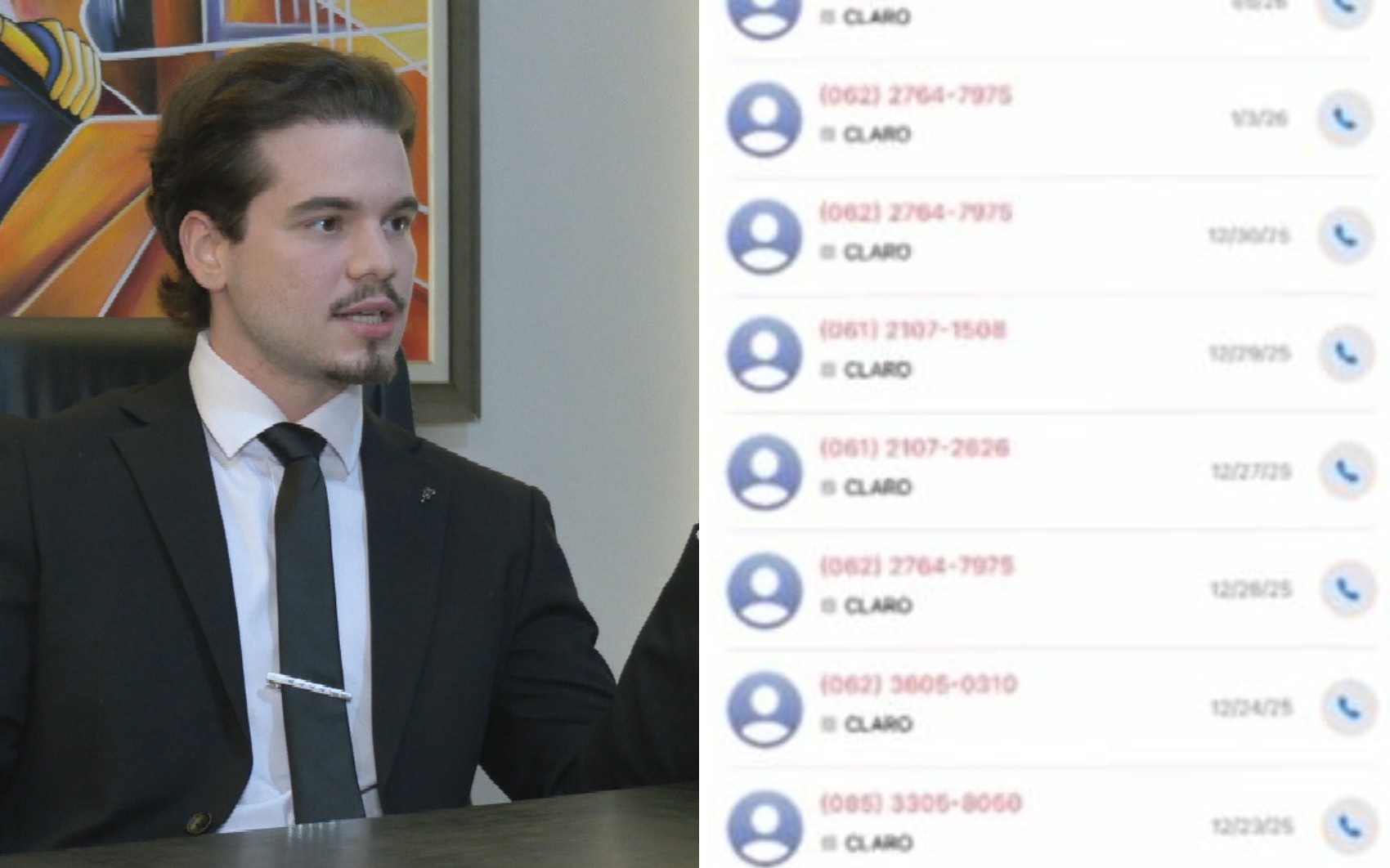
A law student in Goiânia, Brazil, has been awarded R$3,000 in moral damages from the telecommunications company Claro after enduring over a year of persistent marketing calls. Caio Alessandro Oliveira Silva reported receiving a barrage of daily calls from Claro, sometimes reaching up to 100 in a single day. These frequent calls significantly disrupted his daily life, interfering with his studies, work, and family time, forcing him to interrupt activities to answer or dismiss the calls, often fearing they might be important. Silva initially sued for R$8,000 in damages and an immediate cessation of calls. The initial ruling from the 2nd Special Civil Court of Aparecida de Goiânia ordered the calls to stop but deemed the damages claim unfounded. However, upon appeal by Silva, the 1st Recursal Panel of the Special Courts of Goiás overturned this, awarding R$3,000. The panel cited that the persistent calls violated personal rights, specifically peace, quiet, and tranquility, constituting an illicit act eligible for compensation. Claro, in its defense, denied the excessive nature of the calls, claiming they were part of a commercial strategy and that the student could have blocked them, suggesting calls might have originated from third parties. The company has stated it does not comment on legal proceedings but argued in court that the calls were occasional and the damages claim was not justifiable. The Tribunal of Justice of Goiás has noted that Claro may still appeal this decision.
This case highlights the growing tension between aggressive commercial outreach and consumer privacy rights in the digital age. While telecommunication companies operate within market dynamics to acquire and retain customers, the methods employed can cross legal and ethical boundaries, leading to significant legal and reputational costs. The court's decision underscores the principle that persistent, unsolicited communication can constitute a violation of personal peace, irrespective of the company's commercial intentions. Moving forward, businesses must balance their sales strategies with robust data privacy and consumer protection frameworks, potentially leveraging opt-in consent models and advanced call management technologies to avoid such disputes. The long-term implications for consumer trust and regulatory scrutiny will likely shape future marketing practices, pushing for more transparent and less intrusive engagement.
AI-generated to prompt reflection — not editorial opinion, not advice, not a statement of fact. How this works.