Law student to receive R$3,000 compensation for excessive telemarketing calls
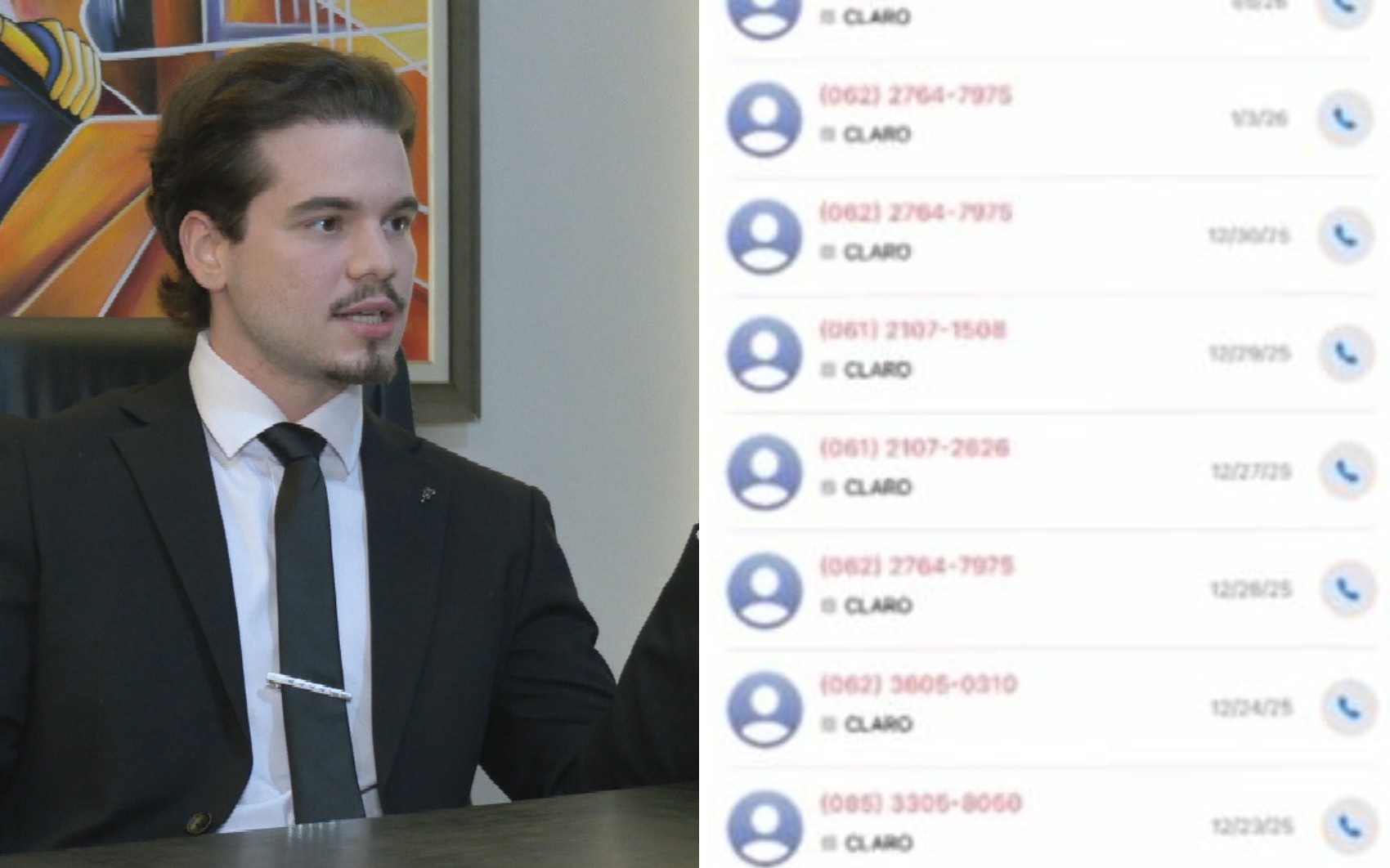
A law student from Goiânia, Brazil, will receive R$3,000 in moral damages from Claro after enduring over 100 telemarketing calls per day for more than a year. Caio Alessandro Oliveira Silva initiated legal action against the telecommunications company due to the persistent disruption to his daily life, affecting his studies, work, and family interactions. He reported having to interrupt his activities to answer or dismiss calls he initially believed might be important. The initial ruling by Judge Thiago Brandão Boghi of the 2nd Special Civil Court of Aparecida de Goiânia ordered a halt to the calls but denied the student's request for R$8,000 in compensation. Following an appeal, the 1st Appellate Panel of the Special Courts of Goiás ruled in favor of the student, establishing the compensation at R$3,000. This amount was deemed appropriate based on principles of reasonableness and proportionality and was characterized by rapporteur Leonardo Aprígio Chaves as having a "pedagogical-punitive character" for the company. The court found that the repeated calls violated the student's personal rights to peace, quiet, and tranquility, constituting an illicit act warranting compensation. Claro had argued that the calls were sporadic and within reasonable parameters, and that consumers could block such contacts. However, the court rejected this defense, stating that the existence of blocking mechanisms, such as the "Não Me Perturbe" platform, does not absolve the company of responsibility. Claro has the option to appeal this decision further, according to the Court of Justice of Goiás.
This case highlights the tension between telecommunications companies' commercial strategies and consumers' right to privacy and peace. While companies like Claro employ aggressive marketing tactics, including high-volume outbound calls, legal systems are increasingly recognizing the detrimental impact of such practices on individuals. The court's decision, emphasizing a "pedagogical-punitive" measure, suggests a growing judicial intent to impose costs that deter such behavior, rather than merely compensate for damages. The ruling also underscores that the availability of consumer-side blocking tools does not absolve companies of their responsibility to manage their marketing practices ethically and within legal bounds. Looking ahead, the proliferation of AI-driven personalized marketing could exacerbate these issues, necessitating clearer regulatory frameworks and more robust enforcement to protect individuals from intrusive and potentially overwhelming digital solicitations.
AI-generated to prompt reflection — not editorial opinion, not advice, not a statement of fact. How this works.