Lawmaker Cites Conflict of Interest Concerns at Nepal Rastra Bank
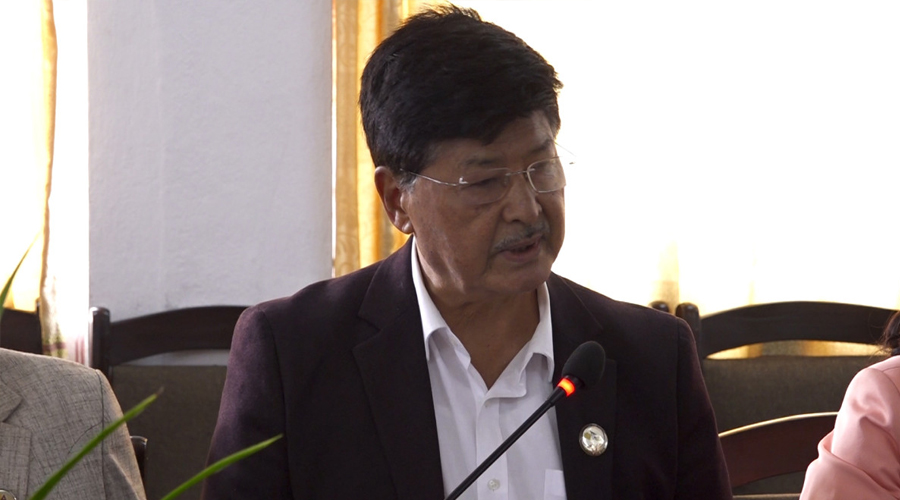
Parshuram Tamang, a Member of Parliament from the Communist Party of Nepal (CPN), has raised concerns regarding a growing trend at the Nepal Rastra Bank. He stated that senior officials from the central bank are moving to private banks after retirement, and individuals from private banks are subsequently taking leadership positions within the Nepal Rastra Bank. Tamang highlighted this issue during a discussion on the bill to amend the Nepal Rastra Bank Act, 2058, in the Finance Committee of the House of Representatives. He argued that this revolving door phenomenon creates a significant conflict of interest within the regulatory institution. The lawmaker expressed his views on June 18th in Kathmandu. The discussion focused on potential revisions to the existing central bank legislation.
The observed pattern of movement between senior roles in Nepal's central bank and leadership positions in private financial institutions warrants scrutiny. This 'revolving door' dynamic, as described by MP Tamang, raises questions about regulatory independence and the potential for undue influence. Such practices can create incentives for regulators to favor institutions they may later join, potentially compromising the integrity of monetary policy and financial oversight. Examining the governance framework and post-employment restrictions for central bank officials is crucial to ensure public trust and maintain a level playing field in the financial sector. Future reforms should aim to strengthen institutional safeguards against conflicts of interest, thereby fostering a more robust and impartial regulatory environment.
AI-generated to prompt reflection — not editorial opinion, not advice, not a statement of fact. How this works.