Lawmakers Threaten Citizens Instead of Answering Questions
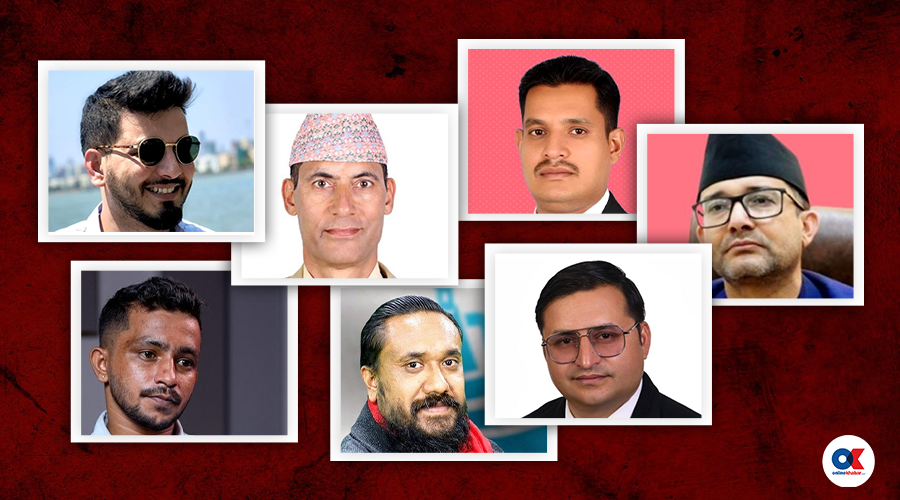
Some Members of Parliament (MPs) in Nepal are reportedly responding to citizens' questions with counter-questions and threats, rather than providing answers. This behavior extends to government employees, whom some MPs allegedly intimidate and scold. The source indicates a concerning trend where elected officials are not engaging constructively with the public or subordinate staff. Instead of fostering transparency and accountability, these actions appear to create an environment of fear and discourage civic engagement. The practice undermines the expected role of MPs as representatives who should be accessible and responsive to their constituents' concerns. This approach deviates from democratic principles of open dialogue and public service.
This behavior by some Nepali MPs suggests a potential disconnect between elected representatives and the citizenry, possibly stemming from a lack of accountability mechanisms or a perception of unchecked power. Instead of fostering a culture of transparency and public service, such actions can erode public trust and discourage civic participation. The underlying incentive structures may favor maintaining authority over engaging in constructive dialogue. Looking ahead, a stronger emphasis on public engagement training for elected officials and clearer protocols for addressing citizen inquiries could mitigate such issues. This dynamic highlights the ongoing challenge of ensuring that representatives remain accountable to those they serve in an increasingly interconnected world.
AI-generated to prompt reflection — not editorial opinion, not advice, not a statement of fact. How this works.