Lawmakers Warn of Negative Impacts from Proposed Ban on Compound Interest
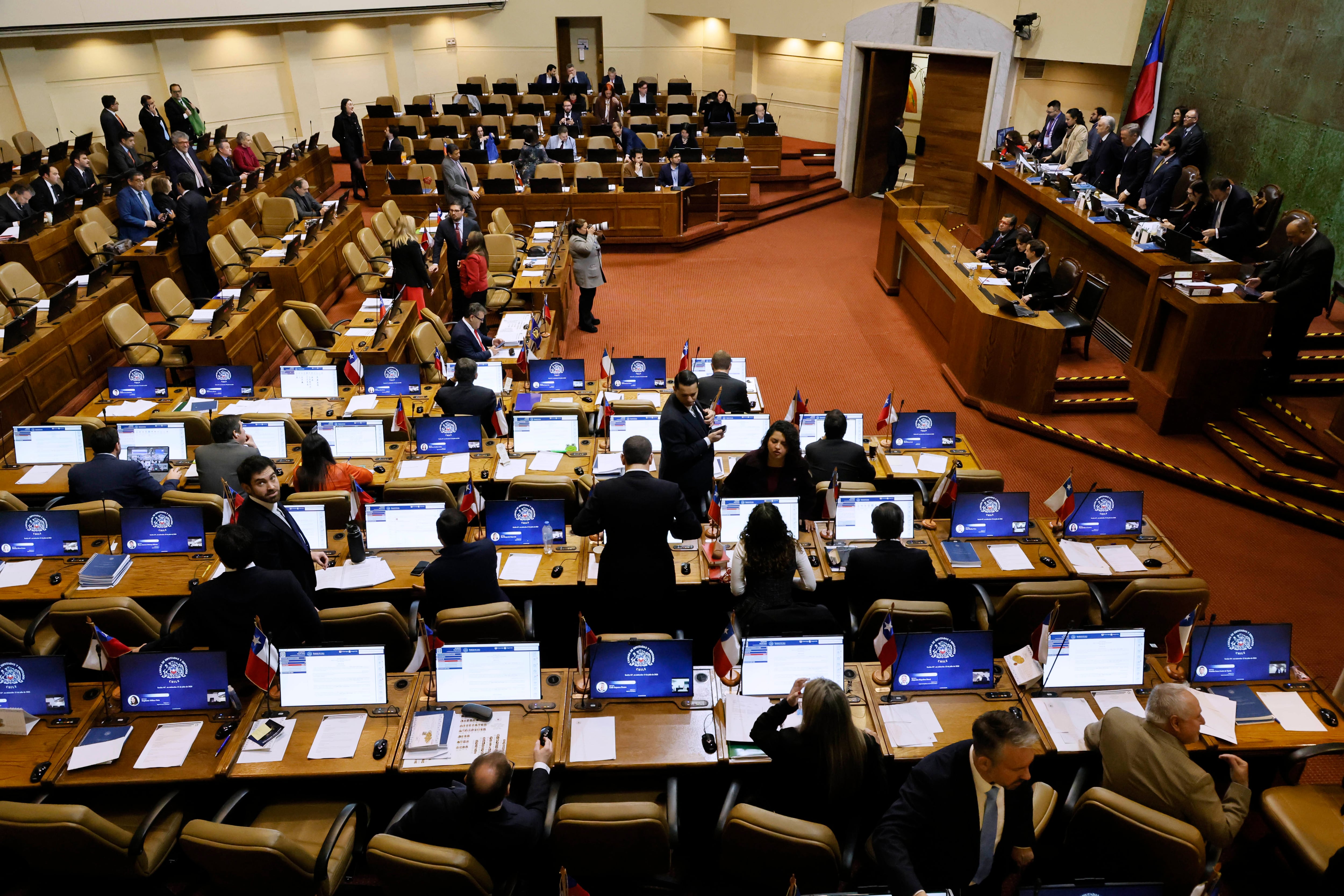
A proposed legislative ban on compound interest, known as anatocism, is facing strong criticism from financial experts who warn of significant negative consequences. Jaime Lorenzini, a partner at Lorenzini Twyman, argues that this regulation, if implemented, will lead to technical distortions and harm various sectors. The primary concerns include an increase in the cost and a restriction of credit availability, alongside reduced flexibility for debtors regarding financial tools like renegotiations and grace periods. Furthermore, the ban is expected to negatively impact savings. A particularly severe societal effect anticipated is a rise in financial informality. As formal credit becomes more restricted and less adaptable, individuals may be forced to seek funds from informal lenders or unregulated markets. The author highlights the grave danger of informal credit, which is often linked to organized crime, and suggests that lawmakers may inadvertently harm the very people they intend to protect through poorly conceived regulations. This situation is seen as a paradox of bad regulation, disregarding OECD guidelines that emphasize studying the impacts and externalities of new regulations before implementation. The piece calls for greater attention to robust criteria in formulating regulatory policies, urging legislators to avoid slogans and clichés, and to be held accountable for poorly designed laws that erode public trust.
The proposed ban on compound interest, while potentially aimed at protecting borrowers, risks creating unintended negative externalities. By restricting formal credit mechanisms, such legislation could inadvertently push individuals toward unregulated and potentially predatory informal lending markets, exacerbating financial instability and increasing the risk of organized crime involvement. This highlights a common challenge in regulatory design: balancing consumer protection with market functionality. Future regulations should incorporate thorough impact assessments, as recommended by bodies like the OECD, to anticipate and mitigate such adverse consequences. The long-term effectiveness of such a ban will depend on whether it fosters a more equitable financial system or simply shifts risk and burden to less regulated sectors, potentially undermining the initial protective intent.
AI-generated to prompt reflection — not editorial opinion, not advice, not a statement of fact. How this works.