Lawyer Claims Police Assaulted Him During Client Visit in Ribeirão Preto
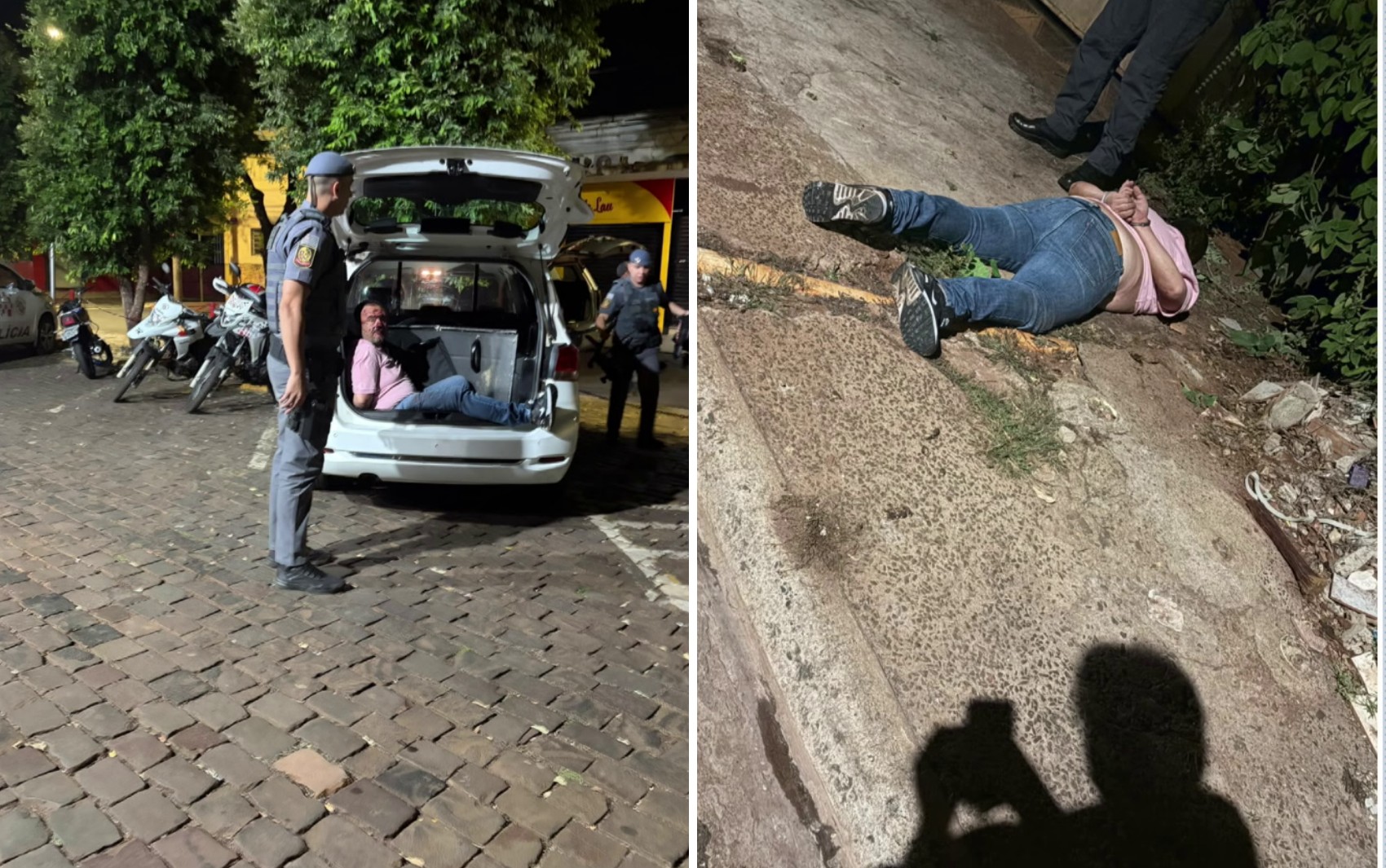
A 46-year-old lawyer in Ribeirão Preto, São Paulo, alleges he was physically assaulted by military police officers on Thursday night (9) while attending to a client. Marco Antônio de Souza stated that the incident began when a police lieutenant refused to accept his digital OAB (Brazilian Bar Association) identification. He claims he was punched, kicked, thrown to the ground, handcuffed, and dragged by officers, including the lieutenant and eight or nine other officers, some of whom also allegedly assaulted his 22-year-old son who intervened. The lawyer reported being held handcuffed on the sidewalk for about 40 minutes with a bleeding face before being taken to a health unit and then the police station. The OAB's Commission of Prerogatives in Ribeirão Preto confirmed the digital OAB card is valid and stated the lawyer should have been recognized immediately. The commission plans to open an internal investigation into the officers' conduct and will request a military police inquiry. The initial police report detailed an incident involving suspected motorcycle part theft and tampering, leading to two arrests. The police, however, present a different account, asserting the lawyer intervened in their operation, was disrespectful, appeared intoxicated, and resisted arrest. They claim his injuries occurred during the containment process. The case has been registered as contempt, resistance, and bodily harm, with both military and civil police investigating.
This incident highlights a critical friction point between law enforcement and legal professionals regarding the recognition of digital credentials and the protocols for police-citizen interactions. The conflicting narratives—one alleging unprovoked assault and the other citing insubordination and resistance—underscore the need for clear, consistently applied procedures for verifying professional identification and de-escalating potentially volatile situations. The OAB's stance emphasizes the growing importance of digital identity verification in professional contexts, while the police's response points to potential challenges in adapting to these changes and maintaining order during operations. Future developments will likely involve scrutiny of the police's internal investigation process and the legal ramifications for all parties involved, potentially leading to revised training protocols for officers on respecting legal professional credentials and managing public interactions.
AI-generated to prompt reflection — not editorial opinion, not advice, not a statement of fact. How this works.