Lawyer Dies in Head-On Collision in Nova Venécia; Five Injured
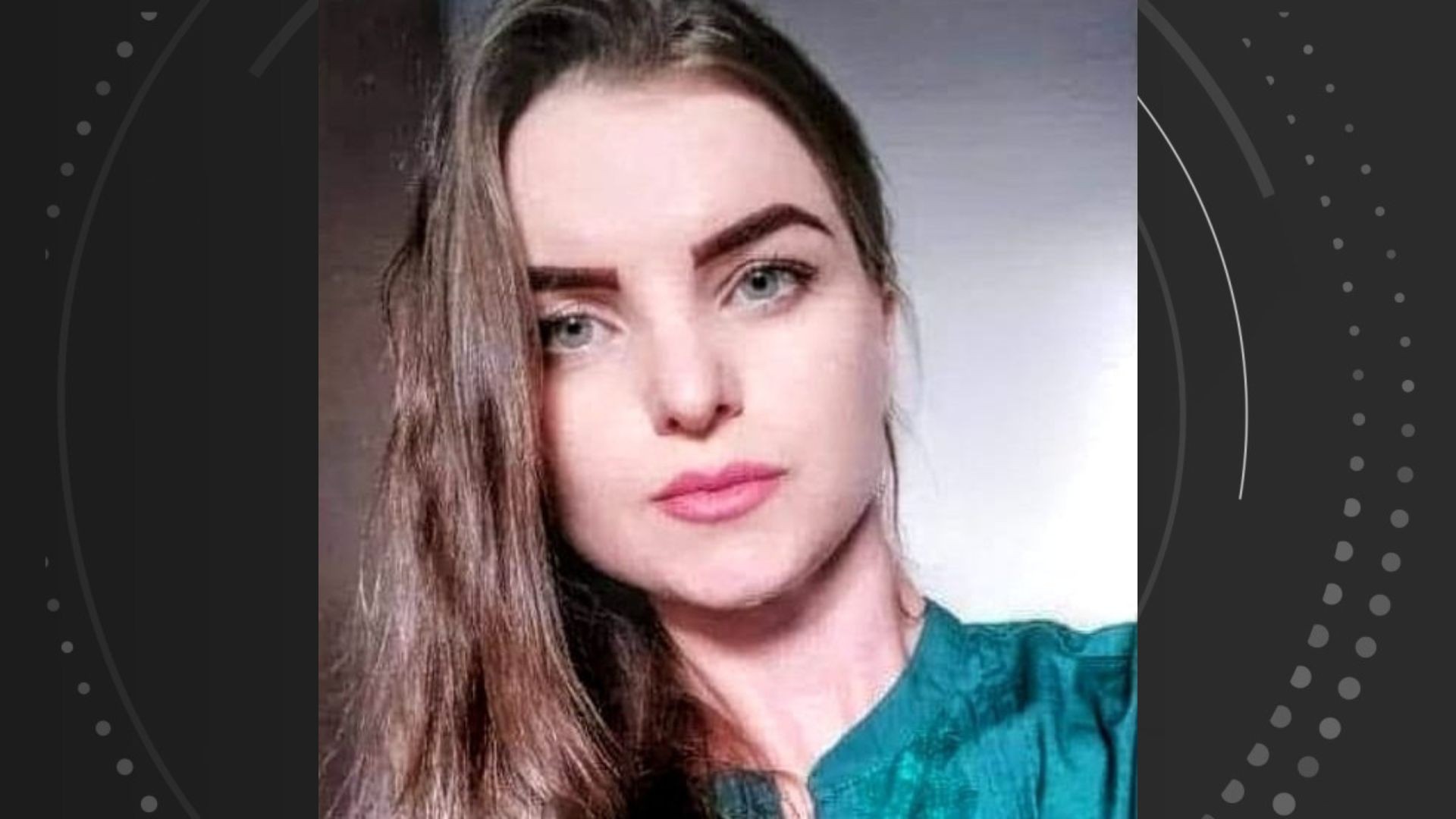
A 36-year-old lawyer, Natália Moreira Tetzzner, died in a head-on car crash on the ES-137 highway in the rural area of Nova Venécia, located in the Northwest region of Espírito Santo, Brazil. The accident occurred on Monday afternoon, involving a Volkswagen Gol driven by Tetzzner and a Toyota Etios. Tetzzner was a public servant for the Municipality of São Gabriel da Palha, working as a technical legal advisor for the General Prosecutor's Office. According to the Military Police, the 39-year-old driver of the Etios stated that Tetzzner's Gol veered into the oncoming lane, causing the collision. The Etios carried four passengers: a 33-year-old woman, a 15-year-old adolescent, and two children aged 5 and 8. All five occupants of the Etios were rescued by the Mobile Emergency Care Service (SAMU) and transported for medical attention, though their conditions were not immediately available. The Espírito Santo section of the Brazilian Bar Association (OAB-ES) issued a statement expressing condolences to Tetzzner's family and friends. The Municipality of São Gabriel da Palha also released a statement mourning the loss of their employee. The Civil Police have announced that the Specialized Police Station for Criminal Offenses and Others (Dipo) in Nova Venécia will investigate the circumstances surrounding the fatal accident.
This tragic incident underscores the critical importance of road safety regulations and enforcement. The reported cause of the collision, a vehicle crossing into the oncoming lane, highlights potential issues related to driver attention, adherence to traffic laws, or possible vehicle malfunction. Investigations into the precise factors leading to the deviation will be crucial for understanding systemic risks. From a public policy perspective, such events can prompt reviews of highway infrastructure, speed limits, and driver education programs in the region. Analyzing accident data over time can reveal patterns and inform targeted interventions to reduce future fatalities and injuries on similar roadways, emphasizing a proactive approach to traffic safety management.
AI-generated to prompt reflection — not editorial opinion, not advice, not a statement of fact. How this works.