Lawyer Discusses Prosecutorial "Distortions" Stemming from Lockheed Scandal
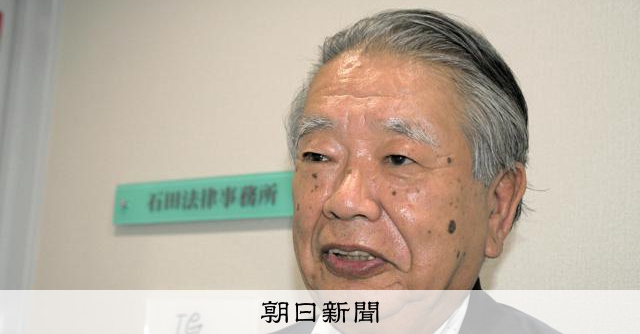
A lawyer involved in the Lockheed bribery scandal has spoken out about what they perceive as "distortions" within the prosecution, a phenomenon they link to the "Special Investigation myth" that emerged from the case. This myth refers to the perception of the special investigation department of the prosecutor's office as an infallible entity capable of uncovering any truth. The Lockheed scandal, which involved allegations of bribery concerning the Japanese government and the American aerospace company Lockheed Corporation, led to significant political upheaval in Japan during the late 1970s. The involvement of high-ranking politicians and business executives created a media frenzy and public fascination with the investigative process. The lawyer's comments suggest that the intense public and media scrutiny, coupled with the perceived success of the investigation, may have created an environment where prosecutorial overreach or bias could occur, contributing to a flawed perception of justice. This perspective challenges the established narrative surrounding the case and the reputation of the special investigation department.
The "Special Investigation myth" born from the Lockheed scandal highlights a persistent tension between prosecutorial power and the principles of due process. The perception of infallibility can incentivize aggressive tactics, potentially leading to tunnel vision or undue pressure on defendants. This dynamic raises questions about institutional accountability and the mechanisms for correcting potential "distortions" in the pursuit of justice. Looking ahead, as investigative technologies evolve, maintaining a balance between efficient law enforcement and safeguarding individual rights will be crucial. The legacy of such high-profile cases underscores the importance of robust oversight and transparent legal processes to prevent the erosion of public trust.
AI-generated to prompt reflection — not editorial opinion, not advice, not a statement of fact. How this works.