Lawyer Who Organized His Own Wake Dies at 47 in Campo Grande
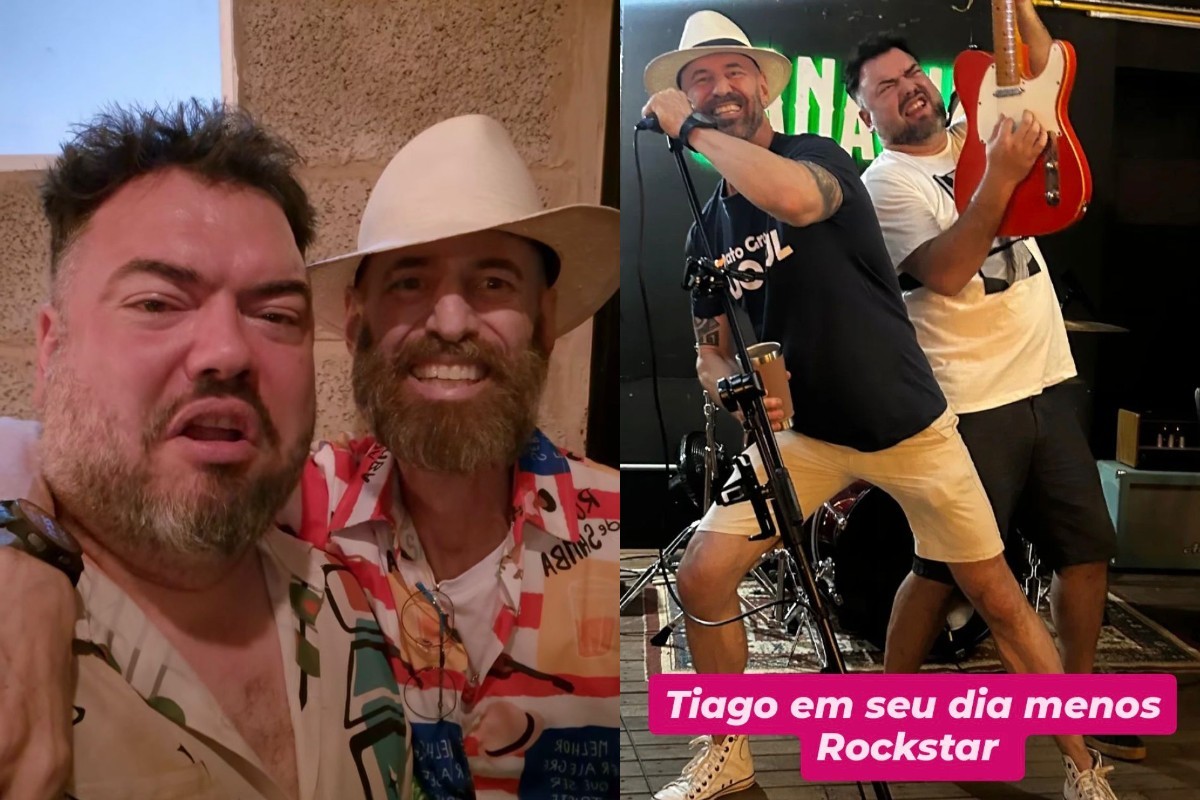
Tiago Pitthan, a 47-year-old lawyer from Campo Grande, passed away on Sunday, May 5th, due to advanced stomach cancer. His final farewell took place on Monday, May 6th, filled with flowers, affection, and music, culminating in his burial at 4 PM. Months prior, Pitthan had fulfilled a lifelong dream by organizing his own "wake in life" celebration. His friend of over 20 years, Renato Heimbac, noted that Pitthan lived intensely and maintained this spirit even after his diagnosis. Heimbac stated that Pitthan grew weaker rapidly after the life celebration, expressing that he was "tired." Pitthan's approach to life, characterized by a desire to travel, explore, and experience new things, was a consistent theme throughout his life, which he shared with his friends. Despite the advanced stage of his stomach cancer, diagnosed in March 2024, Pitthan chose to maximize his remaining time. He continued working, learned to play the guitar, revisited Bonito for activities like descending the Abismo Anhumas, went skydiving, and organized his public wake on May 30th. During this event, he performed on stage playing the guitar for the first time. Pitthan also meticulously organized aspects of his own funeral arrangements, including documents and passwords, to ease the burden on his family. He expressed fear not of death itself, but of missing opportunities to live. His courageous and life-affirming approach to his illness has inspired many across Mato Grosso do Sul and beyond, earning him the affectionate moniker "Bom Sujeito" (Good Fellow).
Tiago Pitthan's proactive approach to organizing his own life celebration and funeral arrangements highlights a growing trend of individuals seeking greater agency and control over end-of-life experiences. This phenomenon reflects a societal shift towards open discussions about mortality and a desire to confront death with intention rather than resignation. Pitthan's actions, while deeply personal, also serve as a powerful public statement on living fully in the face of adversity, challenging conventional norms around grief and remembrance. His legacy emphasizes the importance of individual choice and the pursuit of meaningful experiences, urging others to consider how they define a life well-lived, irrespective of external circumstances or future uncertainties. This perspective encourages a re-evaluation of societal attitudes towards illness, mortality, and the human capacity for resilience and self-determination.
AI-generated to prompt reflection — not editorial opinion, not advice, not a statement of fact. How this works.