Lazara Barbosa, 109, Matriarch with Over 130 Descendants, Dies in Brazil
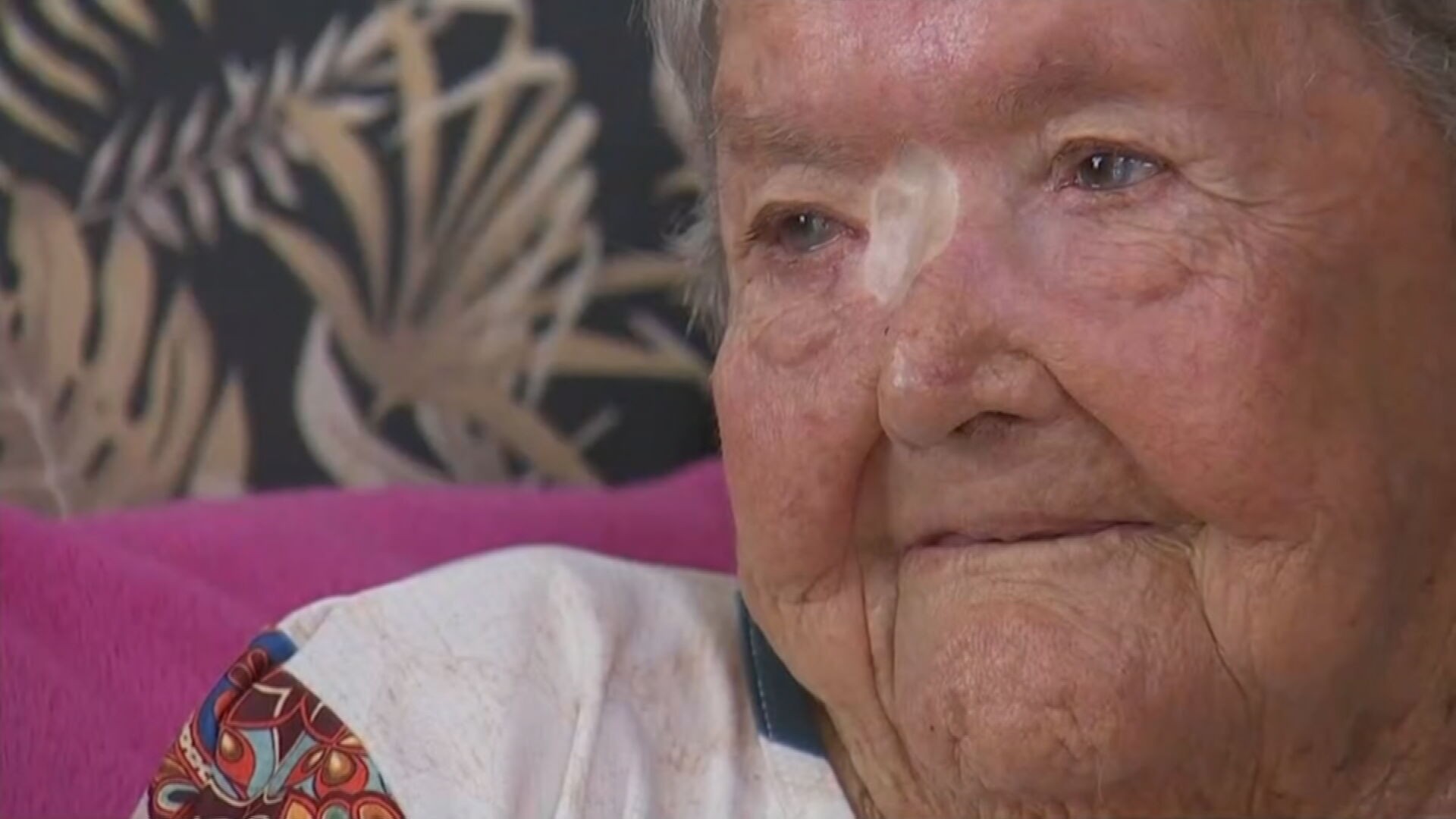
Lazara Barbosa, a 109-year-old resident of Paranapanema, São Paulo, Brazil, passed away on Saturday, February 18th. She was renowned for having one of the largest family trees in the southwestern region of São Paulo, with a total of 138 direct descendants including children, grandchildren, great-grandchildren, and great-great-grandchildren. Barbosa was featured in a special report by g1 in February when she celebrated her birthday. Born on February 20, 1917, in Guareí, São Paulo, she married and raised her children there before moving to Paranapanema. Her life was characterized by longevity, faith, and family unity. The cause of her death was not disclosed by the family. Barbosa's centenarian journey was deeply marked by her religiosity, attracting attention from the Vatican. Upon reaching 100, she received an apostolic blessing from Pope Francis, and at 109, she received an honor from Pope Leo XIV. In her final interview, Barbosa attributed her long life to devotion, stating, "Having faith in God. I believe a lot in God, in Saint Francis, and in Saint Joseph. I pray to them every night." Her funeral was scheduled to take place in Paranapanema, bringing together four generations of her family, with a wake on Saturday evening and burial on Sunday morning.
The passing of Lazara Barbosa highlights the societal value placed on longevity and large family structures, particularly in regions where intergenerational ties remain strong. Her story, amplified by media attention and even papal acknowledgment, underscores the intersection of personal faith, family legacy, and public recognition. From a systems perspective, such centenarian figures can serve as cultural anchors, embodying resilience and continuity. However, the narrative also implicitly raises questions about the sustainability of traditional family support models in the face of evolving demographics and economic pressures. As societies grapple with aging populations and changing social norms, understanding the factors contributing to such remarkable longevity and familial cohesion offers insights into human well-being, though it does not negate the systemic challenges of elder care and social support in the modern era.
AI-generated to prompt reflection — not editorial opinion, not advice, not a statement of fact. How this works.