LDP Criticizes Opposition's Stalling Tactics, DP Leader Cites Government Obstruction
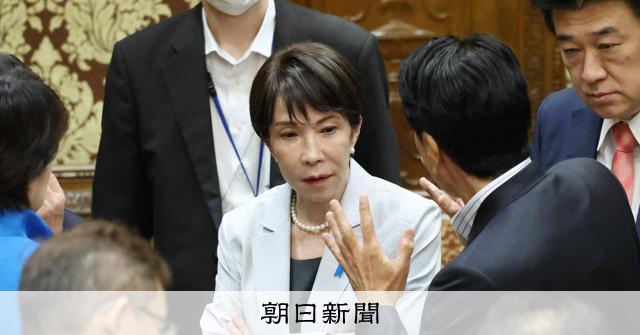
The Liberal Democratic Party (LDP) has criticized opposition parties, labeling their refusal to participate in Diet deliberations as "outdated." This statement comes amidst ongoing political deadlock. Democratic Party leader Yuichiro Tamaki countered the LDP's assertion, stating that the government's actions are the actual cause of the obstruction. He argued that the government's refusal to engage in substantive discussion is the real impediment to legislative progress. The exchange highlights a significant disagreement over parliamentary procedure and accountability. Opposition parties have often used refusal to deliberate as a tactic to protest government policies or demand greater transparency. However, the ruling party views this as an unproductive strategy that hinders necessary legislative work. Tamaki's remarks suggest a perception that the government is not genuinely open to dialogue, leading to the impasse. The situation underscores the challenges in inter-party cooperation within Japan's political system. The effectiveness and legitimacy of such parliamentary tactics remain a point of contention.
The political discourse surrounding legislative obstruction in Japan reveals a tension between procedural tactics and substantive governance. While the ruling LDP frames opposition stalling as outdated, potentially undermining democratic processes, the Democratic Party points to government actions as the root cause of inaction. This dynamic suggests that parliamentary gridlock can stem from both opposition strategies and perceived governmental unwillingness to engage in good-faith dialogue. Moving forward, fostering mechanisms for more constructive inter-party negotiation and ensuring government transparency will be crucial for efficient legislative functioning. The long-term impact of such disputes on public trust and the ability to address pressing national issues warrants careful consideration in the evolving political landscape.
AI-generated to prompt reflection — not editorial opinion, not advice, not a statement of fact. How this works.