LDP Official Urges PM Kishida to Sleep After His '0-3 Hours Sleep' Post
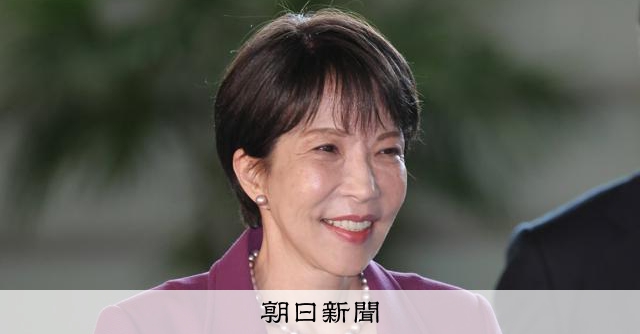
A senior official from Japan's Liberal Democratic Party (LDP) has urged Prime Minister Fumio Kishida to get some sleep. This plea came in response to a post made by the Prime Minister on the social media platform X, formerly Twitter, detailing his sleep habits. Kishida reportedly stated that he sleeps only between 0 to 3 hours per night. This revelation has sparked concern among party members and the public regarding the Prime Minister's well-being and capacity to govern effectively under such demanding conditions. The LDP official's direct appeal highlights the perceived seriousness of the situation and the potential impact on national leadership. The Prime Minister's commitment to his duties is evident, but the minimal sleep duration raises questions about sustainable leadership and personal health management. The incident underscores the intense pressures faced by national leaders and the public's attention to their personal lives as indicators of their fitness for office. Further discussion is expected regarding the balance between demanding public service and maintaining personal health for optimal performance.
The Prime Minister's reported sleep schedule of 0-3 hours per night, shared publicly on X, presents a complex dynamic between perceived dedication and sustainable leadership. While such a schedule might be interpreted by some as a sign of extreme commitment, it raises critical questions about the physiological limits of human performance and decision-making under chronic sleep deprivation. From a governance perspective, ensuring leaders operate at peak cognitive function is paramount for effective policy-making and crisis management. This situation invites consideration of the systemic pressures within high-level political roles that may incentivize or necessitate such demanding schedules. It also highlights the evolving public discourse around work-life balance and personal well-being, even for national leaders, and how these factors are increasingly scrutinized as indicators of overall fitness for office in the digital age. The long-term implications for national stability and policy effectiveness warrant careful consideration of how to support leaders in maintaining both their health and their public duties.
AI-generated to prompt reflection — not editorial opinion, not advice, not a statement of fact. How this works.