LDP's Security Policy Proposal Lacks Specific Defense Spending Targets
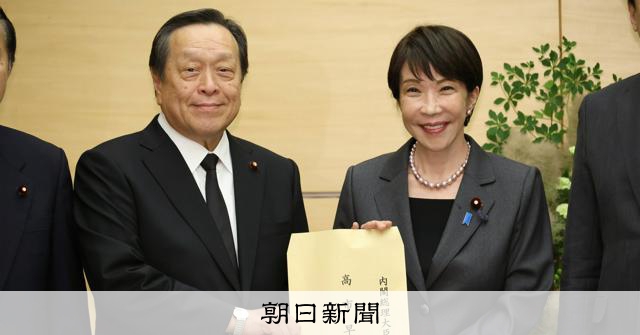
The Liberal Democratic Party (LDP) has submitted recommendations for Japan's security policy, but notably omitted specific numerical targets for increasing defense spending. This omission comes as the party aims to significantly boost defense capabilities in response to a deteriorating regional security environment. The recommendations are part of the broader review and revision of Japan's three key national security documents. While the LDP advocates for a substantial increase in defense expenditure, the absence of concrete figures leaves the exact scale of the planned enhancement open to interpretation. This approach may be intended to allow for flexibility in budget allocation or to avoid immediate political contention over specific spending levels. The party's internal discussions reportedly grappled with how to present these proposals without alienating coalition partners or the public. The final recommendations emphasize the need for enhanced defense readiness and capabilities, including areas like missile defense, cyber warfare, and space capabilities. However, the lack of quantifiable goals for defense spending means that the practical implementation and the ultimate financial commitment will likely be subject to future negotiations and budget cycles. This strategic ambiguity could set the stage for significant debate in the upcoming Diet sessions regarding the nation's defense posture and fiscal priorities.
The LDP's proposal to enhance national defense without specifying concrete spending targets reflects a strategic balancing act. It aims to signal a commitment to increased defense capabilities to allies and potential adversaries, while deferring the politically sensitive task of securing the necessary budget. This approach leverages the perceived urgency of regional security threats to build consensus for a stronger military, but it outsources the fiscal discipline to future budget deliberations. The long-term effectiveness of this strategy will depend on the government's ability to translate broad security objectives into sustainable funding, navigating potential domestic economic pressures and international expectations over the next decade. The inherent tension between stated security ambitions and the practicalities of public finance will be a key dynamic to monitor.
AI-generated to prompt reflection — not editorial opinion, not advice, not a statement of fact. How this works.