LDP Tax Panel Executives Oppose 1% Consumption Tax Hike, Fearing "Shibata's Mistake"
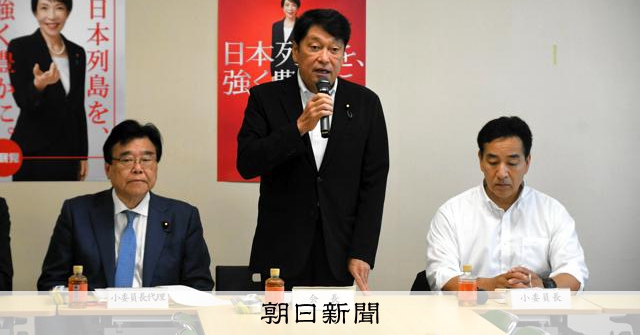
Executives within the Liberal Democratic Party's (LDP) tax research committee have expressed strong opposition to a proposed 1% increase in the consumption tax. These dissenting voices fear that implementing such a hike would lead to a political misstep similar to one made by former Prime Minister Shigeru Ishiba. The specific context or details of Ishiba's past actions that are being referenced remain unclear from the provided text. However, the strong reaction suggests a significant concern among LDP tax policy insiders about the potential public and political backlash associated with raising the consumption tax. This internal dissent highlights a potential division within the party regarding fiscal policy and tax reform strategies. The opposition indicates that the path to enacting a consumption tax increase may face considerable internal resistance, potentially jeopardizing its approval. Further details on the rationale behind the 1% proposal and the specific concerns of the dissenting executives are not available in the source.
The internal dissent within the LDP tax panel regarding a potential 1% consumption tax increase signals a critical juncture in fiscal policy discussions. The reference to "Shibata's Mistake" suggests a historical precedent that party leadership is wary of repeating, likely related to public approval or electoral consequences of tax policy. This opposition highlights the inherent tension between the need for government revenue generation and the political imperative of maintaining public support. In the context of evolving economic landscapes and potential societal shifts towards digital economies, policymakers face complex trade-offs. Decisions on taxation will significantly shape the nation's capacity to fund public services and invest in future-oriented initiatives, while also influencing consumer behavior and economic growth. The LDP's internal debate underscores the challenge of balancing fiscal responsibility with political viability in a dynamic global environment.
AI-generated to prompt reflection — not editorial opinion, not advice, not a statement of fact. How this works.