Lead Investigator Arrested in High School Student Murder Case for Evidence Tampering
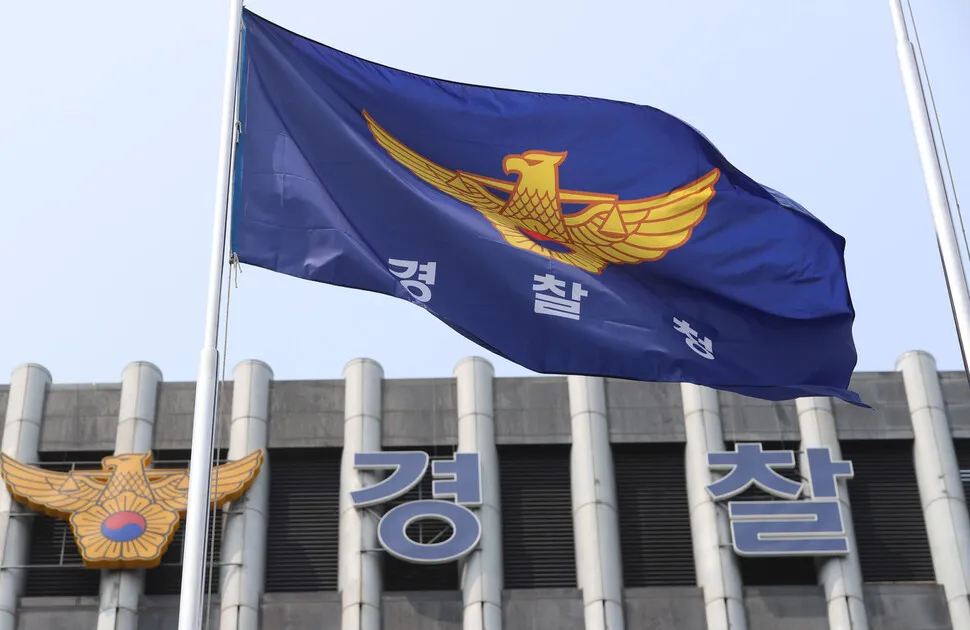
The lead investigator in the murder case of high school student Jang Yoon-gi has been urgently arrested on charges of destroying evidence. The arrest occurred on Tuesday, marking a significant development in the ongoing investigation. The specific details of the evidence allegedly tampered with have not yet been fully disclosed by authorities. This unexpected turn of events raises serious questions about the integrity of the initial investigation and the handling of crucial evidence. The prosecution is expected to launch a thorough review of the case to ensure all facts are accurately presented. Further details are anticipated as the investigation into the lead investigator's actions progresses. The arrest has sent shockwaves through the legal community and the public, highlighting the importance of accountability within law enforcement agencies. The original murder case, involving the death of the high school student, remains a high-profile investigation. Authorities have assured the public that all efforts will be made to uncover the truth and bring the perpetrators to justice, despite this internal setback.
The arrest of a lead investigator for alleged evidence tampering introduces a critical governance challenge, potentially undermining public trust in the judicial process. This situation necessitates a robust internal review and external oversight to ensure the integrity of the ongoing murder investigation. The incident underscores the importance of stringent protocols for evidence handling and the need for independent checks and balances within law enforcement to prevent potential misconduct. Moving forward, transparency and accountability will be paramount in restoring confidence in the justice system, particularly in high-profile cases. The focus should be on rectifying any procedural flaws and reinforcing safeguards to prevent recurrence, ensuring that systemic issues do not impede the pursuit of justice.
AI-generated to prompt reflection — not editorial opinion, not advice, not a statement of fact. How this works.