Leader Narayan Kaji Shrestha Warns of Threats to National Sovereignty and Democracy
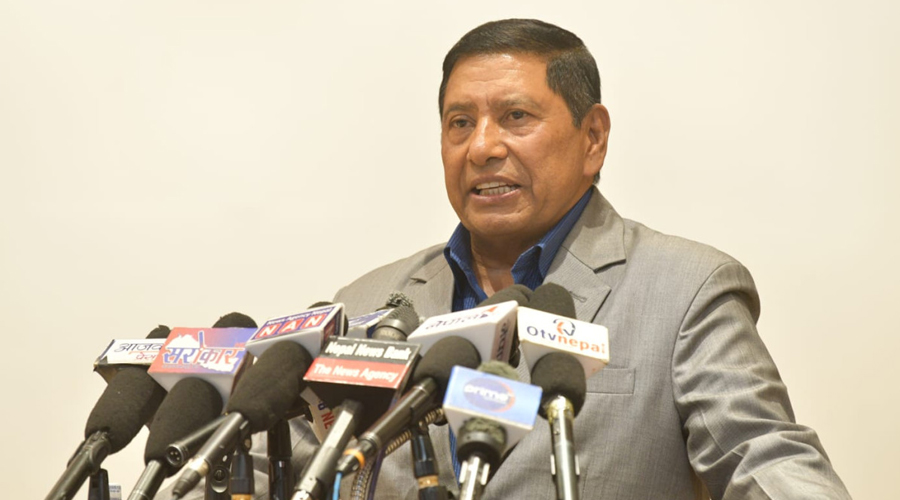
Narayan Kaji Shrestha, a leader of the Communist Party of Nepal (Maoist Centre), has accused the government of endangering the nation's sovereignty, constitution, and democratic system through its current working style. Shrestha made these remarks during a program held in Kathmandu to commemorate the 48th death anniversary of Pushpa Lal Shrestha, the founding general secretary of the Communist Party of Nepal. He expressed serious concerns that the government's actions have created a significant crisis for the country. The specific details of the government's actions that Shrestha believes are causing this crisis were not elaborated upon in the provided text. However, his statement implies a deep dissatisfaction with the current administration's policies and governance. The event, which brought together party members and supporters, served as a platform for Shrestha to voice his critical assessment of the government's performance. His comments highlight internal political discourse and potential challenges facing Nepal's democratic institutions.
The statement by Narayan Kaji Shrestha raises concerns about governance and its impact on national sovereignty and democratic principles. From an analytical perspective, such critiques often stem from perceived deviations from established constitutional norms or policy directions that may alienate significant political factions. The emphasis on "national sovereignty" and "democracy" suggests a potential conflict between the government's agenda and broader national interests or established political consensus. Evaluating the government's "working style" requires examining specific policies, legislative actions, and executive decisions to understand how they might be interpreted as threats. This situation highlights the inherent tension in democratic systems between executive authority and the need for broad political legitimacy and adherence to constitutional frameworks. Future developments will likely depend on the government's response to these criticisms and the broader political landscape's evolution.
AI-generated to prompt reflection — not editorial opinion, not advice, not a statement of fact. How this works.