Leaked Suno AI Code Reveals Training on Millions of Scraped Songs
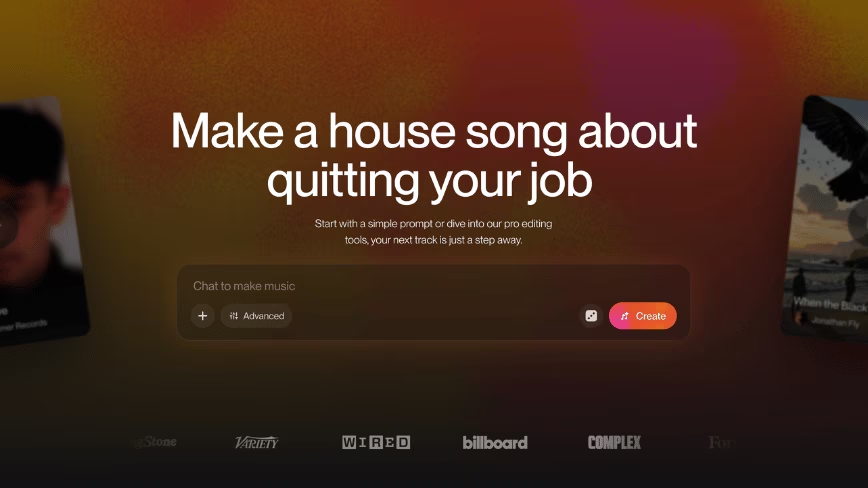
A recent security breach has exposed the inner workings of Suno, a prominent AI music generation platform, revealing that its models were trained on millions of songs and lyrics obtained through web scraping. This leak provides concrete evidence for long-standing concerns raised by musicians regarding the unauthorized use of their copyrighted work in AI training data. The hacker's release of Suno's source code allows for a detailed examination of the data collection and processing methods employed by the company. Previously, AI music generators faced accusations of exploiting artists' creations without consent or compensation. This incident offers a transparent look into the data pipelines that power such generative AI technologies. The implications of this leak are significant for intellectual property rights and the future of AI development in creative industries. It highlights the need for greater transparency and ethical considerations in how AI models are built and deployed. The full extent of the scraped data and its impact on the music industry is still being assessed.
The leak of Suno's source code provides a critical case study in the data governance challenges within the generative AI sector. By revealing the use of millions of scraped songs, it underscores the tension between rapid technological advancement and existing intellectual property frameworks. This situation highlights an incentive structure where access to vast datasets, regardless of provenance, accelerates model development and competitive advantage. Moving forward, the industry faces a systemic contradiction: the need for diverse, high-quality training data versus the legal and ethical imperative to respect creators' rights. Future AI development will likely necessitate more robust mechanisms for data provenance tracking, licensing, and fair compensation to ensure sustainable innovation and mitigate legal risks.
AI-generated to prompt reflection — not editorial opinion, not advice, not a statement of fact. How this works.