Learning from Anti-Vaccine Narratives: A Public Health Challenge
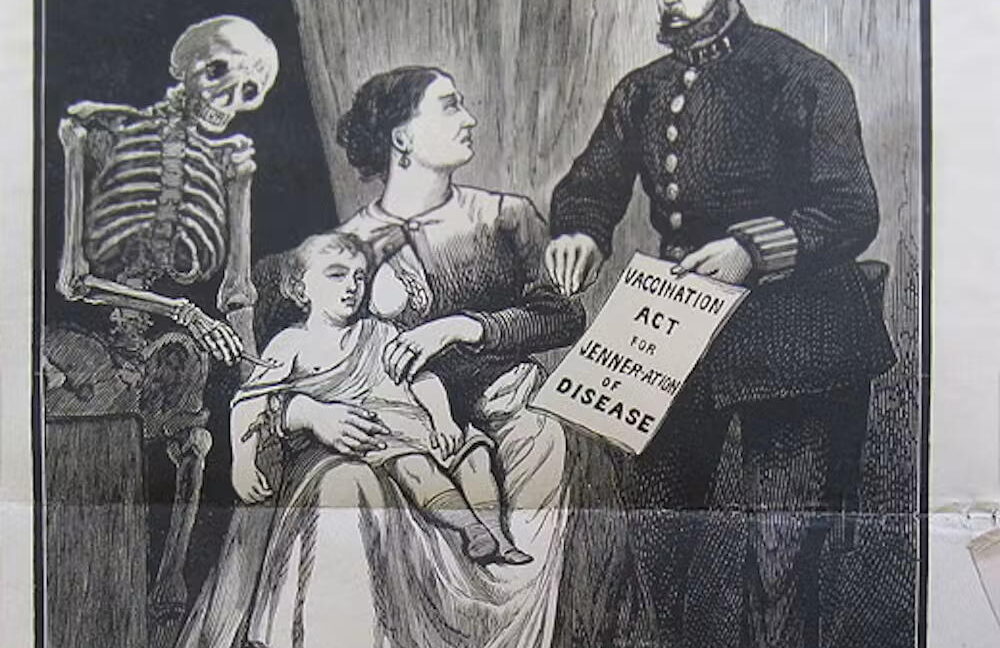
Public health professionals can gain valuable insights by examining the storytelling techniques employed by anti-vaccine movements. These narratives often resonate more deeply with certain audiences than scientific data alone. The effectiveness of anti-vaccine stories highlights a critical communication gap that public health campaigns must address. Understanding the emotional drivers and persuasive strategies behind these narratives is crucial for developing counter-messaging. This approach is not about validating misinformation but about learning how to connect with people on a more fundamental level. By analyzing the structure and content of these stories, public health experts can identify common themes and appeals. These themes often tap into distrust of authority, personal anecdotes, and fears about unknown risks. Recognizing these patterns allows for the development of more empathetic and evidence-based communication strategies. Ultimately, the goal is to build trust and effectively convey the benefits and safety of vaccines.
The effectiveness of anti-vaccine narratives underscores a persistent challenge in public health communication: the tension between scientific evidence and deeply held beliefs. While medical consensus on vaccine safety and efficacy is robust, the success of counter-narratives suggests that emotional resonance and personal storytelling can sometimes outweigh empirical data for certain segments of the population. Public health strategies may need to evolve beyond simply presenting facts to incorporate more compelling, empathetic, and relatable storytelling. This involves understanding the psychological and social factors that make certain narratives persuasive, such as appeals to autonomy, distrust of institutions, or community identity. Future public health campaigns could benefit from a more nuanced approach that acknowledges these dynamics, fostering dialogue and building trust through shared values and experiences, rather than solely relying on the dissemination of scientific information. This proactive engagement with narrative structures could be key to navigating the complex information landscape of the coming decade.
AI-generated to prompt reflection — not editorial opinion, not advice, not a statement of fact. How this works.