Lebanese Christians in Northern Israel Express Desire for War to Continue
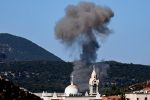
A group of Christians residing in northern Israel, who have family ties in Lebanon, reportedly wish for the ongoing conflict to persist. This sentiment stems from their desire to visit relatives across the border, suggesting a hope that the war's continuation might facilitate such reunions, perhaps even for casual occasions like breakfast. The specific circumstances and motivations behind this unusual wish are not detailed, but it highlights the complex and often unexpected human impacts of regional instability and conflict. The desire for the war to continue, from this specific demographic, is framed as a means to achieve personal connections that are currently severed by the hostilities.
The expressed desire of some Lebanese Christians in northern Israel for the continuation of hostilities presents a complex geopolitical and humanitarian paradox. From a systems perspective, ongoing conflict disrupts established patterns of life, severing familial and social connections. However, in this specific instance, the perceived disruption is framed by the individuals as a barrier to reunification. This situation underscores how prolonged instability can create counterintuitive incentives, where the normalization of conflict might be seen by some as a prerequisite for achieving personal objectives that are otherwise unattainable. Examining the underlying assumptions, one might consider whether alternative diplomatic or humanitarian channels could facilitate family connections without necessitating further violence. The long-term implications of such sentiments, if widespread, could influence regional dynamics and humanitarian aid strategies, prompting a re-evaluation of how to address the human cost of protracted conflict beyond immediate cessation.
AI-generated to prompt reflection — not editorial opinion, not advice, not a statement of fact. How this works.