Lebanese President Aoun Visits Washington Amidst Low Public Hope for Change
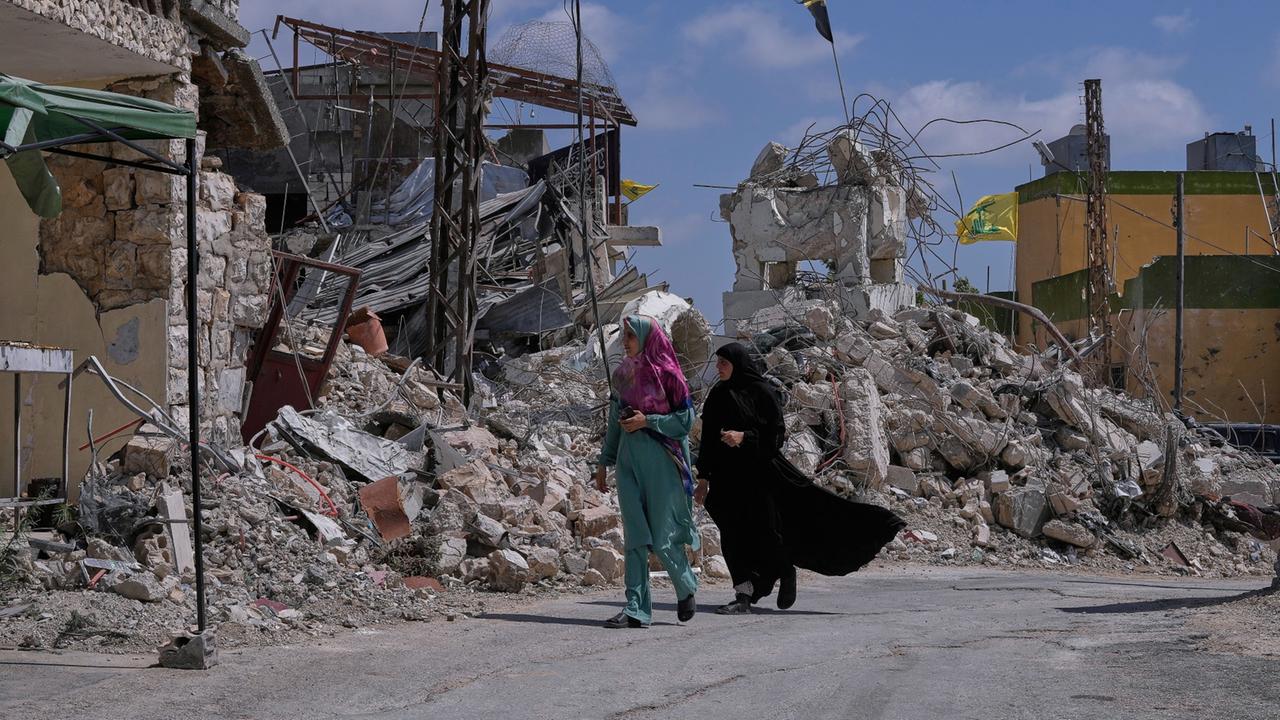
Lebanese President Michel Aoun has traveled to Washington D.C. with the primary objective of securing a stable ceasefire for his war-torn country. However, the Lebanese populace holds minimal expectations for significant change emanating from this visit. A key factor contributing to this widespread pessimism is the continued absence of Hezbollah from any potential negotiation table. The President's trip is undertaken against a backdrop of deep-seated national challenges and a populace weary of prolonged conflict and instability. The international community's role and the internal political dynamics of Lebanon are crucial elements influencing the potential outcomes of Aoun's diplomatic efforts. The success of the visit will likely be measured by tangible progress towards a ceasefire and the broader implications for regional stability.
President Aoun's visit to Washington highlights the complex geopolitical landscape influencing Lebanon's stability. The low public hope reflects a deep-seated distrust in the efficacy of external interventions and internal political processes to resolve the nation's protracted crises. The absence of key domestic actors like Hezbollah from negotiations underscores the challenges of achieving a sustainable resolution without broad consensus. Future diplomatic efforts will need to navigate these intricate internal power dynamics and external pressures to foster genuine progress towards peace and stability. The long-term implications for Lebanon's sovereignty and economic recovery will depend on addressing the root causes of conflict and building inclusive governance structures.
AI-generated to prompt reflection — not editorial opinion, not advice, not a statement of fact. How this works.