Lebanese President to Meet Trump in US on July 21
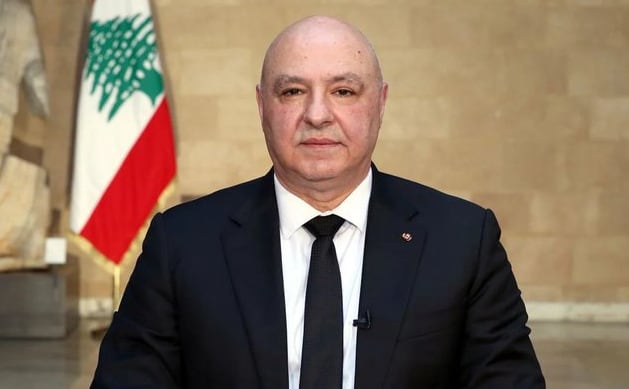
Lebanese President Michel Aoun is scheduled to travel to the United States for his first official meeting with President Donald Trump on July 21. President Aoun stated that this invitation signifies Washington's "unprecedented interest" in the situation within Lebanon. The visit underscores a significant diplomatic engagement between the two nations, highlighting a period of heightened attention from the U.S. towards Lebanese affairs. This meeting is expected to address various bilateral issues and regional dynamics affecting Lebanon. The Lebanese presidency views this engagement as a positive development, signaling a potential for increased cooperation and support from the United States. The specific agenda items are not detailed, but the context suggests discussions on security, economic stability, and regional conflicts.
The invitation itself is seen by the Lebanese government as a testament to the importance placed on Lebanon by the current U.S. administration. President Aoun's remarks suggest an optimistic outlook regarding the outcomes of this high-level diplomatic exchange. The visit marks a key moment in Lebanese-U.S. relations, potentially shaping future policy and interactions between the two countries.
This diplomatic engagement between the Lebanese and U.S. presidents signifies a strategic pivot or intensified focus by Washington on Lebanon. The Lebanese administration perceives this as an "unprecedented interest," suggesting a potential shift in U.S. foreign policy priorities concerning the region. From a geopolitical perspective, such high-level meetings often aim to align strategic interests, address regional stability concerns, and potentially secure economic or security cooperation. The timing and nature of the invitation could reflect evolving regional dynamics, including the influence of other global powers and the internal political landscape of Lebanon. Future interactions will likely be shaped by the outcomes of this meeting, particularly concerning U.S. policy toward Lebanon's internal governance, economic challenges, and its complex regional relationships.
AI-generated to prompt reflection — not editorial opinion, not advice, not a statement of fact. How this works.