Lebanese President Visits Washington Seeking US Support for Ceasefire and Israeli Withdrawal
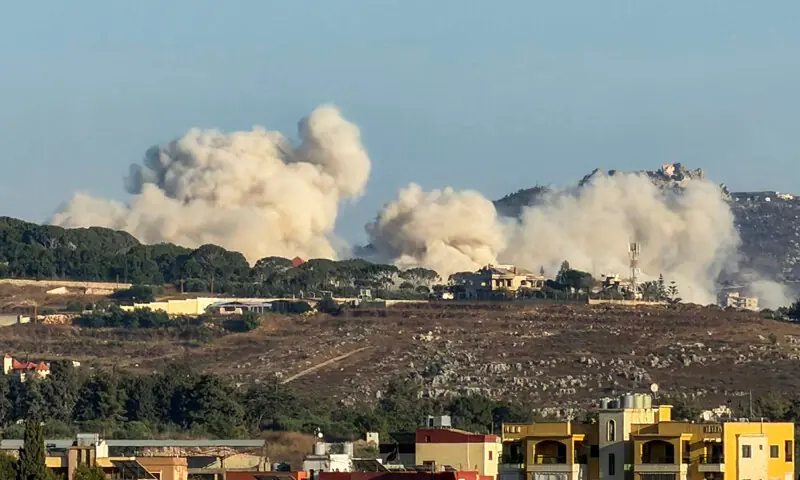
Lebanese President Joseph Aoun departed for Washington on Saturday, July 19th, 2026, to meet with President Donald Trump and other U.S. officials. The primary objectives of his visit are to secure American support for a ceasefire in southern Lebanon and to advocate for the withdrawal of Israeli forces from occupied Lebanese territories. This marks the first visit by a Lebanese head of state to Washington since 2009. Lebanon and Israel, lacking formal diplomatic ties, have been engaged in U.S.-sponsored peace talks since April, aiming to end the ongoing conflict between Israel and Hezbollah. A framework agreement was reached on June 26th, outlining the withdrawal of Israeli troops and the deployment of the Lebanese army in designated "pilot zones." Recent talks in Rome further refined the implementation guidelines for these zones, with the Lebanese army already increasing patrols in anticipation. Meanwhile, Hezbollah held a mass funeral on Saturday in Majdal Selm for dozens, including 39 fighters and four civilians, killed in recent clashes. The group also staged a rally in Tyre to publicly reject the peace deal and the proposed disarmament of Hezbollah. Despite the ceasefire, sporadic violence persists; the Israeli military reported striking a Hezbollah cell after identifying a drone, while a Lebanese soldier was killed and two others injured by an explosion in an army vehicle in Mansouri. The U.S. Embassy has renewed its travel warning for Lebanon due to regional security tensions.
The Lebanese President's visit to Washington underscores the complex geopolitical dynamics at play in the region, where U.S. diplomatic engagement is a critical factor in de-escalating conflicts. The proposed peace framework, contingent on Hezbollah's disarmament, highlights a fundamental internal contradiction within Lebanon's political landscape, where a powerful non-state actor holds significant sway. The persistence of sporadic violence, even amidst ongoing negotiations and a declared ceasefire, suggests that the underlying drivers of conflict remain potent and that the implementation of any agreement will face considerable challenges. Future stability will likely depend on addressing the security concerns of all parties involved, navigating the intricate balance of power between state institutions and non-state armed groups, and fostering conditions that allow for sustainable economic and social recovery in affected areas.
AI-generated to prompt reflection — not editorial opinion, not advice, not a statement of fact. How this works.