Lebanon-Israel Agreement: Seeds of Future Conflict?
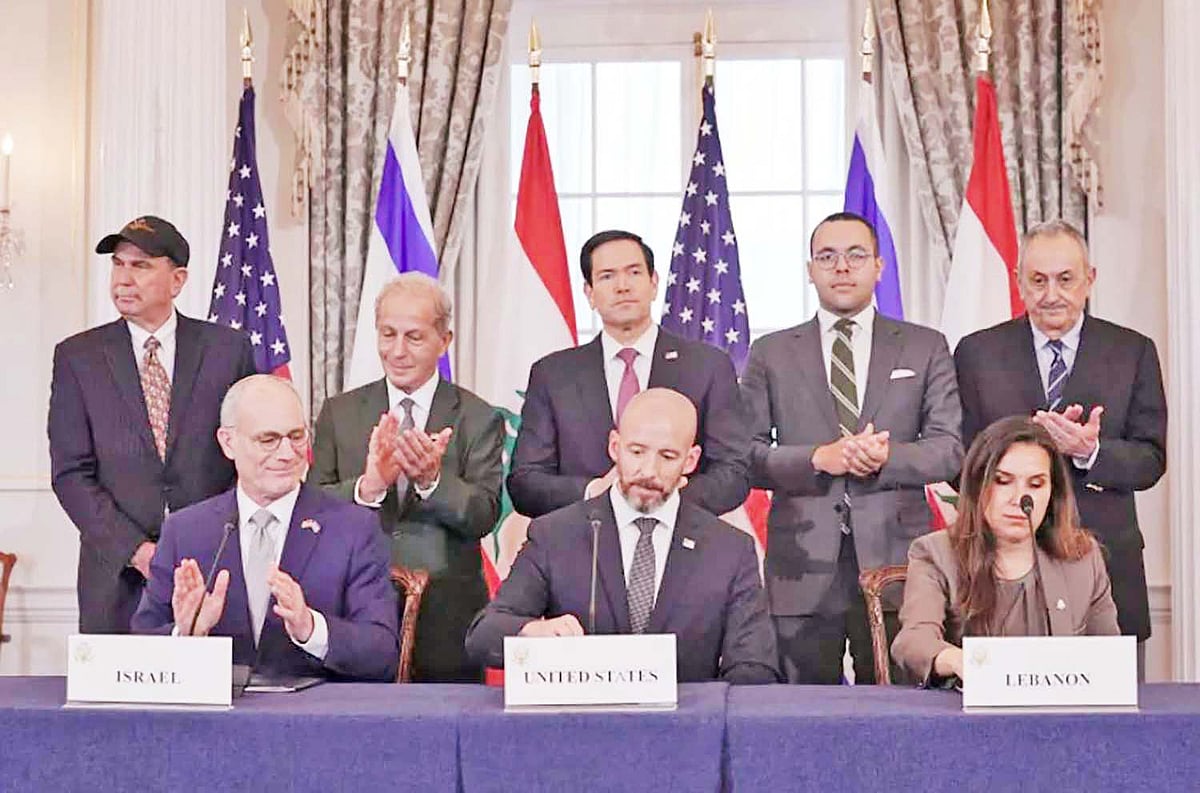
After months of conflict, pressure, and diplomatic maneuvering, Lebanon has effectively entered into a memorandum of understanding with Israel. This development has not gone unnoticed, drawing swift and strong condemnation from various Lebanese political factions, notably Hezbollah and its allies. Protests have erupted on the streets, and media outlets are abuzz with criticism. The agreement, reached after extensive negotiations, signifies a significant shift in regional dynamics. However, the vocal opposition suggests that this accord may not bring lasting peace. The concerns raised by Hezbollah and other groups highlight deep-seated political and ideological divisions within Lebanon regarding relations with Israel. The upcoming period will likely be characterized by continued political tension and potential instability as these opposing viewpoints clash.
The recent memorandum of understanding between Lebanon and Israel, while presented as a step towards de-escalation, has ignited significant internal opposition within Lebanon, particularly from Hezbollah and its allies. This reaction suggests that the agreement may not adequately address the underlying political and security concerns of all stakeholders. The divergence in perspectives highlights a potential fault line in Lebanese governance, where external agreements can exacerbate internal divisions. Looking ahead, the sustainability of this accord will depend on navigating these domestic political complexities and ensuring that any perceived concessions do not undermine national sovereignty or regional stability. The long-term implications could involve further entrenching geopolitical fault lines if a broader consensus is not achieved.
AI-generated to prompt reflection — not editorial opinion, not advice, not a statement of fact. How this works.