Lebanon's President Calls for Continued US Support Amidst Peace Deal Efforts
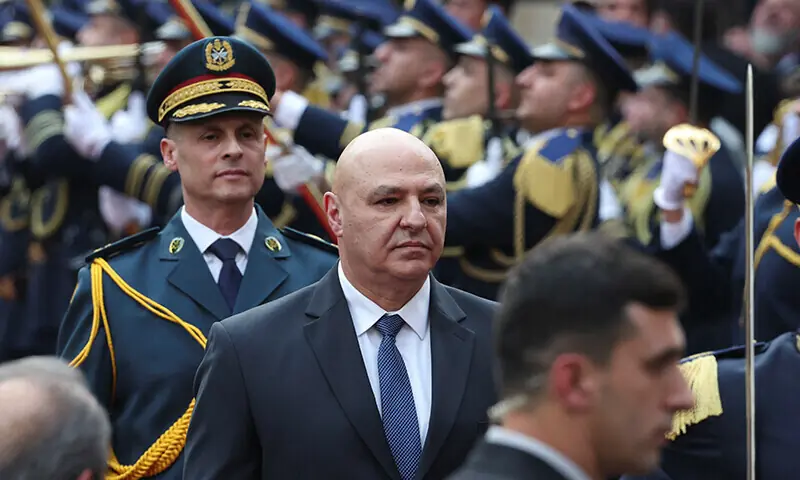
Lebanese President Joseph Aoun has appealed to the United States for ongoing support for Lebanon's institutions, army, and people, following a US-brokered framework deal aimed at ending hostilities with Israel. The agreement, reached in Washington, proposes the disarmament of Hezbollah, a phased Israeli withdrawal from southern Lebanon, and the deployment of the Lebanese army in designated areas. However, Hezbollah has rejected the deal, which lacks a specific timeline for Israeli withdrawal. President Aoun expressed hope for a new era of peace and stability for Lebanon, urging the US to "keep always standing beside Lebanon’s right and just causes." The US embassy in Lebanon affirmed its commitment to supporting the nation's pursuit of a brighter future. The recent conflict, which began on March 2 after Hezbollah rocket fire, led to extensive Israeli airstrikes and a ground invasion of southern Lebanon. A ceasefire took effect on June 21, followed by the framework agreement for a permanent end to hostilities. Since the ceasefire, over 640,000 displaced individuals have returned home. The war resulted in approximately 4,300 deaths and over one million displaced people, according to Lebanese authorities. Many residents remain unable to return to their homes in southern border towns due to ongoing Israeli military presence and widespread destruction. Lebanese officials are developing plans, including prefabricated housing and rent assistance, to aid returnees. Despite the ceasefire, intermittent Israeli strikes continue in southern Lebanon, with reports of injuries and shelling.
The situation in Lebanon highlights the complex interplay of regional geopolitics, internal governance challenges, and international diplomacy. The US-backed peace framework attempts to address immediate security concerns and foster stability, but its success hinges on the acceptance and implementation by all involved parties, particularly Hezbollah, which has rejected key provisions. Lebanon's reliance on external support, as articulated by President Aoun, underscores systemic vulnerabilities and the ongoing need for robust institutional capacity building to ensure long-term self-sufficiency. The ongoing displacement and destruction point to the severe human cost of protracted conflict and the significant challenges in rebuilding infrastructure and fostering sustainable returns. Future stability will likely depend on a comprehensive approach that not only addresses security but also economic recovery and inclusive governance, navigating the delicate balance between national sovereignty and regional power dynamics.
AI-generated to prompt reflection — not editorial opinion, not advice, not a statement of fact. How this works.