Lebanon's South Devastated, Residents Return Amidst War Promises
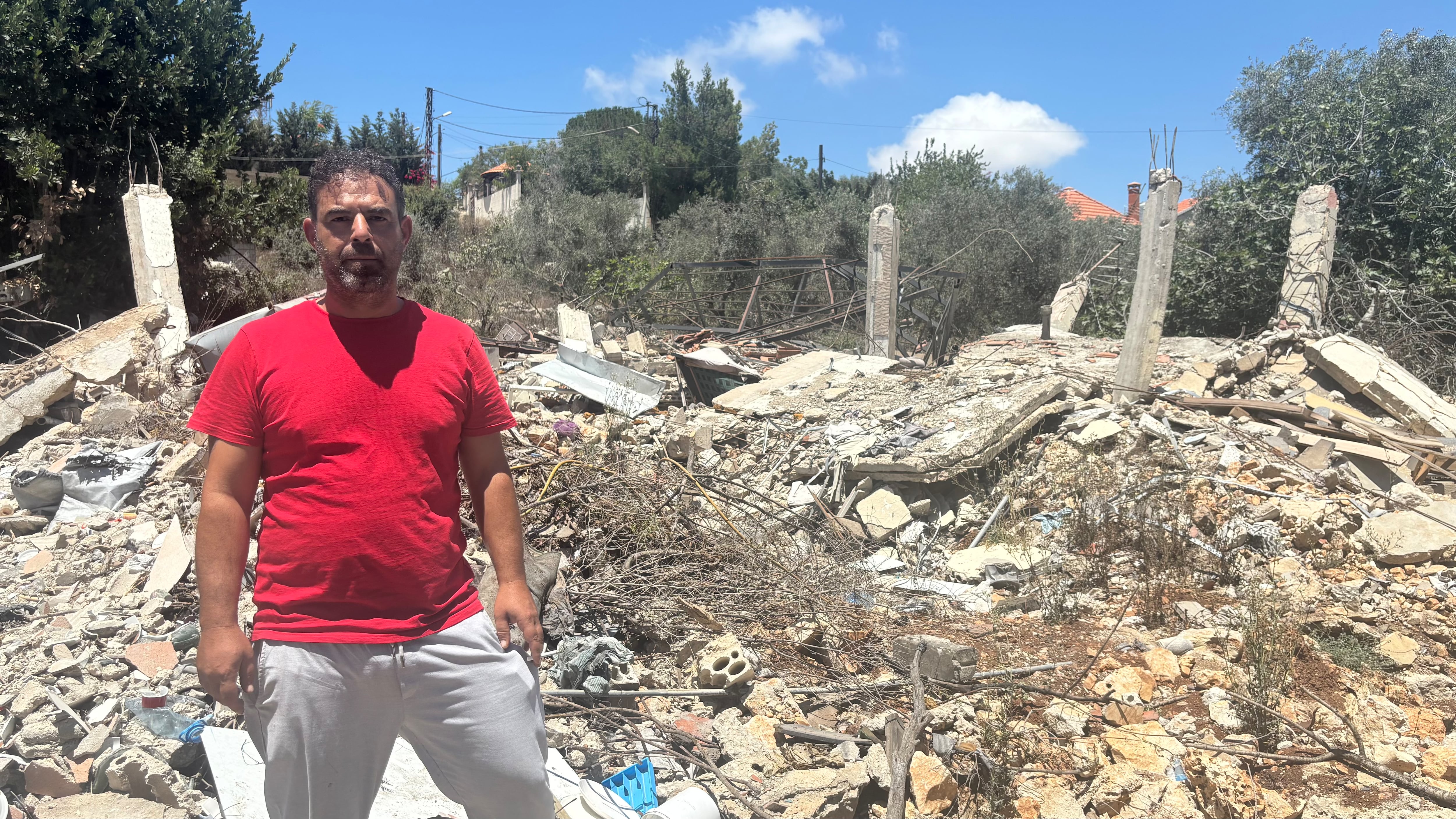
Thousands of residents are returning to southern Lebanon during a fragile ceasefire, only to find a region devastated by recent conflict. The returning population is facing widespread destruction, with many describing their homes and communities as completely bombed out. Despite the immense damage, there is a strong sense of support for Hezbollah among the returning population. They are actively praising the organization for its role in the conflict. Conversely, these residents are rejecting any possibility of a negotiated peace settlement with the Israeli government. This sentiment highlights a deep-seated animosity and a commitment to continued resistance rather than diplomatic resolution. The situation underscores the immense humanitarian challenge of rebuilding amidst ongoing political and military tensions.
The return of residents to a devastated southern Lebanon amidst a fragile ceasefire reveals a complex interplay of resilience and entrenched conflict dynamics. While the physical destruction presents immediate humanitarian needs, the populace's vocal support for Hezbollah and rejection of negotiated peace with Israel indicate a deep-seated ideological commitment that transcends immediate material concerns. This suggests that future stability in the region will be heavily influenced by the political and military objectives of non-state actors, potentially prolonging cycles of conflict. The incentive structures for both Hezbollah and its supporters appear to prioritize resistance over negotiated settlements, posing a significant challenge for diplomatic efforts and regional security in the coming decade. Understanding these deeply held sentiments is crucial for any long-term strategy aiming to de-escalate tensions and foster lasting peace.
AI-generated to prompt reflection — not editorial opinion, not advice, not a statement of fact. How this works.