Lebanon Strikes: Netanyahu Defies Trump, Jeopardizing Iran Deal
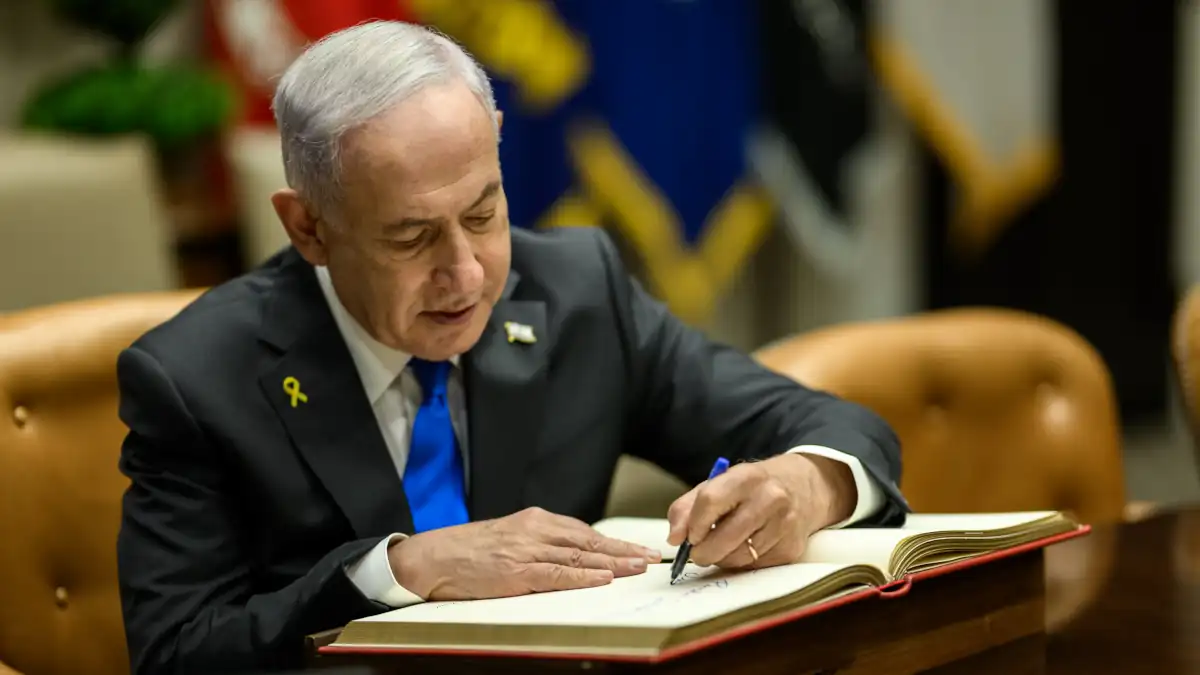
Israeli Prime Minister Benjamin Netanyahu has continued strikes in southern Lebanon, despite repeated requests from U.S. President Donald Trump to cease. This action led Iran to close the Strait of Hormuz on Saturday, June 20, 2026. The situation has placed the interim agreement being negotiated between Washington and Tehran in jeopardy. Iranian and American negotiators were scheduled to meet in Switzerland to finalize this interim accord. The details of the agreement's provisions and the specific nature of the interim accord were not fully elaborated in the provided text, but the diplomatic implications appear significant. The ongoing military actions by Israel in Lebanon, coupled with Iran's response concerning the Strait of Hormuz, indicate a complex geopolitical situation with potentially far-reaching consequences for regional stability and international relations.
The events described highlight a critical juncture where military actions and diplomatic negotiations intersect, potentially creating significant geopolitical friction. Prime Minister Netanyahu's decision to proceed with strikes in Lebanon, contrary to President Trump's directives, suggests a divergence in strategic priorities or a calculated risk assessment by Israel. Iran's closure of the Strait of Hormuz, a vital global energy chokepoint, represents a potent escalation, directly impacting international commerce and raising global security concerns. This move by Iran could be interpreted as a response to perceived Israeli aggression or a leverage tactic to influence the ongoing nuclear negotiations. The peril to the interim agreement underscores the delicate balance of power and trust between the involved parties. Future developments will likely hinge on whether diplomatic channels can de-escalate tensions or if military posturing will dictate the regional trajectory, potentially impacting global energy markets and international security frameworks for the foreseeable future.
AI-generated to prompt reflection — not editorial opinion, not advice, not a statement of fact. How this works.