LeBron James's unique plan: Play in Philadelphia, live in New York, and travel unconventionally
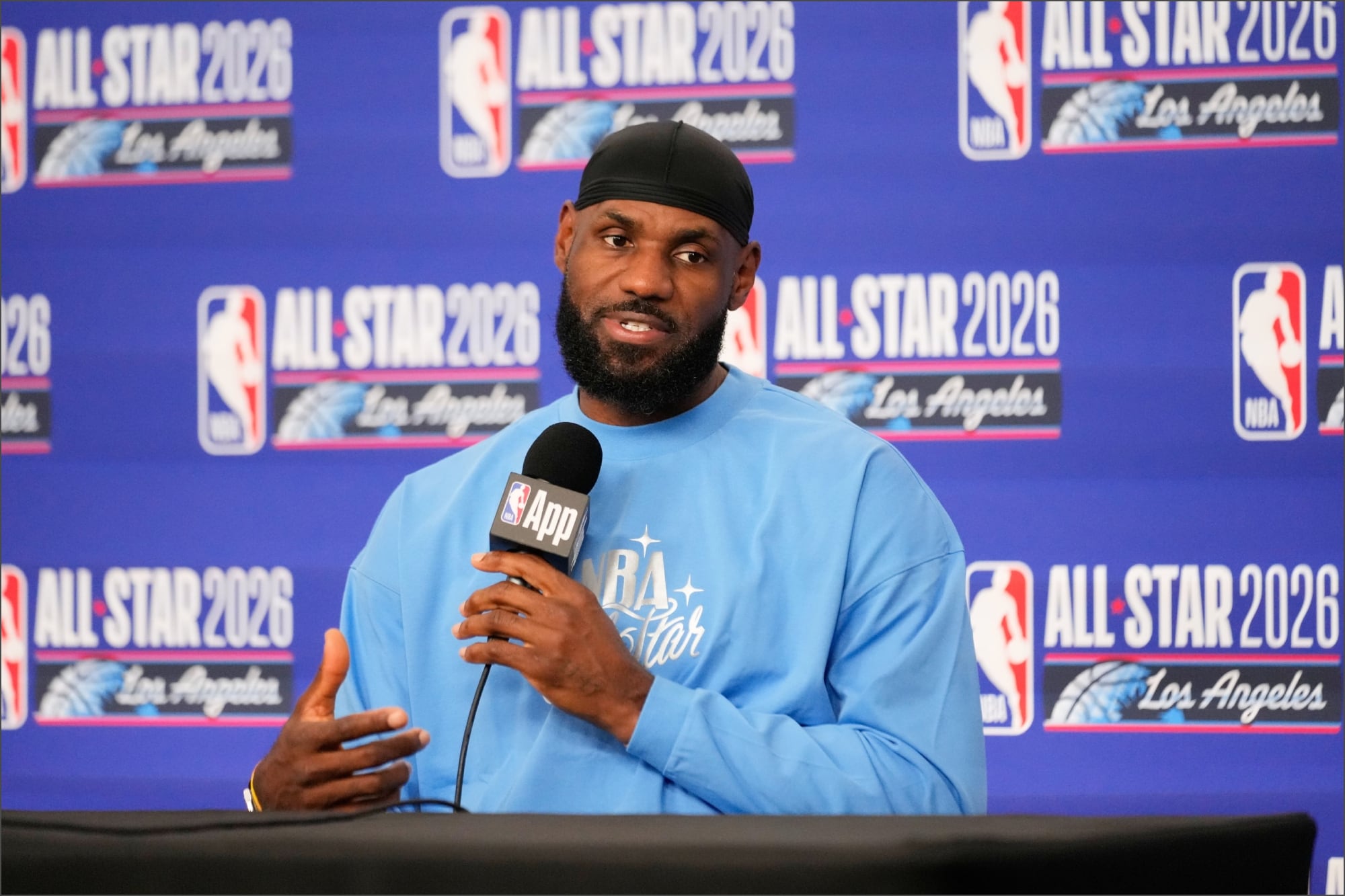
Basketball superstar LeBron James has outlined an unusual plan for his potential future endeavors, which involves playing in Philadelphia, residing in New York City, and commuting between the two locations in a distinctive manner. The significant distance between these two major metropolitan areas, approximately 150 kilometers, necessitates a specific travel strategy. While the exact details of his travel method remain undisclosed, the mere concept highlights a novel approach to balancing professional commitments with personal life. This plan suggests a departure from traditional living arrangements for athletes, who typically reside close to their team's home city. James's intention to bridge the gap between Philadelphia and New York indicates a desire for a specific lifestyle or perhaps strategic advantages he perceives in living in one city while playing in another. The logistical challenges of such a commute, especially for a professional athlete requiring rigorous training and rest, are considerable. This unconventional arrangement raises questions about player welfare, team dynamics, and the feasibility of such a setup in the demanding world of professional sports.
LeBron James's unconventional plan to play in Philadelphia while living in New York City, despite the 150-kilometer distance, presents an interesting case study in athlete lifestyle choices and logistical management. This approach could be influenced by various factors, including personal preferences for urban living, family considerations, or potential business opportunities in New York. However, the physical and time demands of such a commute could pose significant challenges to athletic performance, recovery, and team integration. From a sports management perspective, this raises questions about the league's policies on player residency and travel, as well as the potential impact on team cohesion and practice attendance. The feasibility of this plan will likely depend on the specific support systems James can establish and the flexibility offered by the team and league. It prompts consideration of how athletes in the future might leverage technology and personalized logistics to redefine traditional career structures.
AI-generated to prompt reflection — not editorial opinion, not advice, not a statement of fact. How this works.