Leclerc Benefits from Antonelli's Mechanical Failure for First Victory
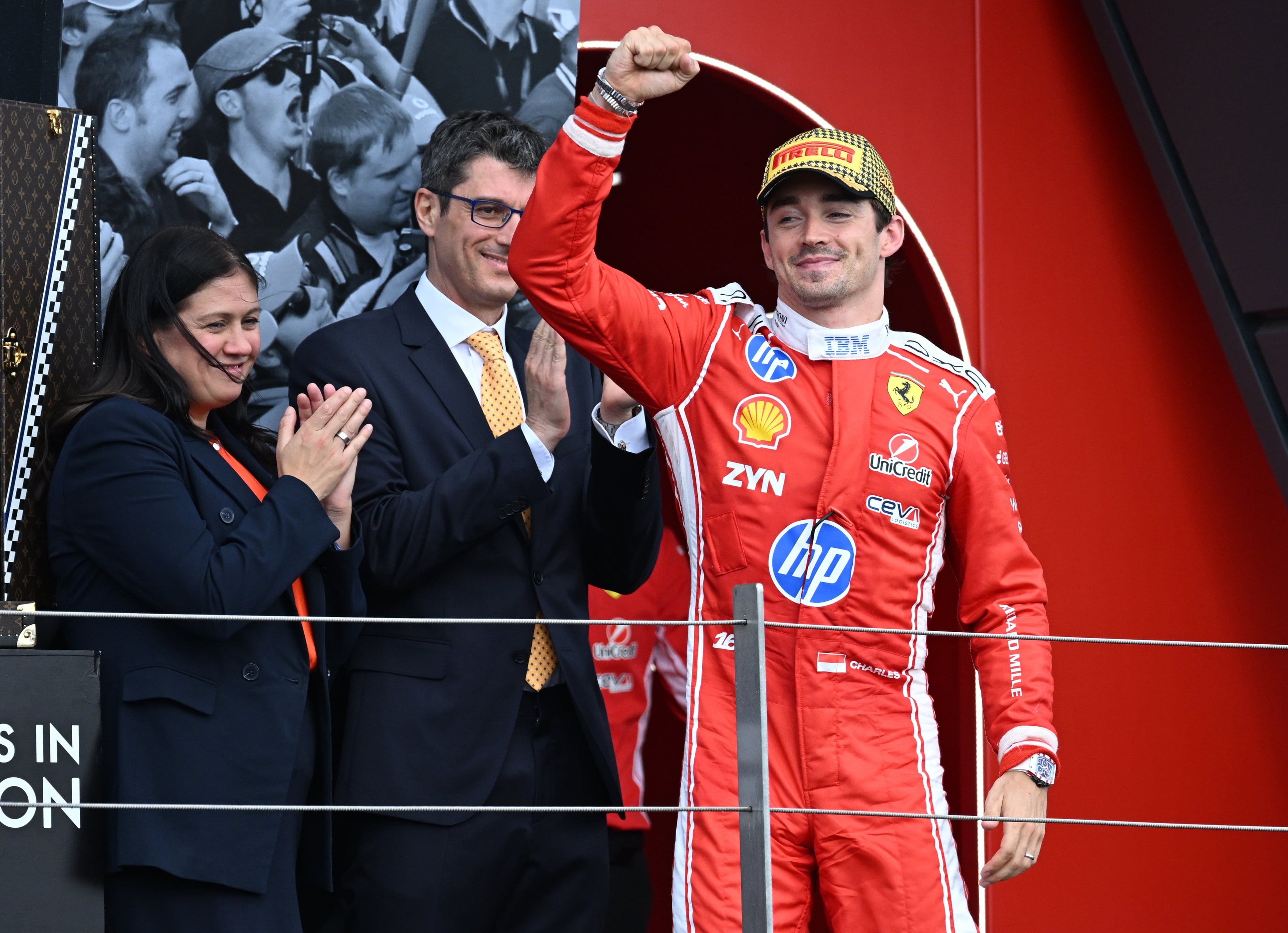
Charles Leclerc secured his first victory of the season after a mechanical failure ended Antonelli's strong comeback with 11 laps remaining. The incident occurred while Antonelli was driving a Mercedes. The premature end to Antonelli's race significantly eased Leclerc's path to the win. This marks a significant moment for Leclerc in the current racing season, capitalizing on his competitor's misfortune. The race saw Antonelli making a notable charge through the field before his Mercedes suffered the critical breakdown. Leclerc, who was positioned to take advantage, ultimately crossed the finish line first. The outcome highlights the unpredictable nature of motorsport, where mechanical reliability plays a crucial role alongside driver performance. Antonelli's strong performance prior to the failure indicated his potential, but the mechanical issue prevented him from challenging for the win.
This event underscores the critical interplay of driver skill and mechanical reliability in motorsport. While Leclerc achieved a victory, the outcome was significantly influenced by Antonelli's mechanical issue with his Mercedes. This situation prompts reflection on the robustness of racing technology and the inherent risks associated with mechanical components under extreme stress. Future developments may focus on enhancing reliability to ensure that races are decided more purely by driver performance, thereby leveling the competitive field and reducing the impact of unforeseen technical failures. The incident also highlights the strategic importance of maintaining vehicle integrity throughout a race, a factor that influences team preparation and resource allocation.
AI-generated to prompt reflection — not editorial opinion, not advice, not a statement of fact. How this works.