Leclerc claims British GP victory, declares "I hadn't become bad"
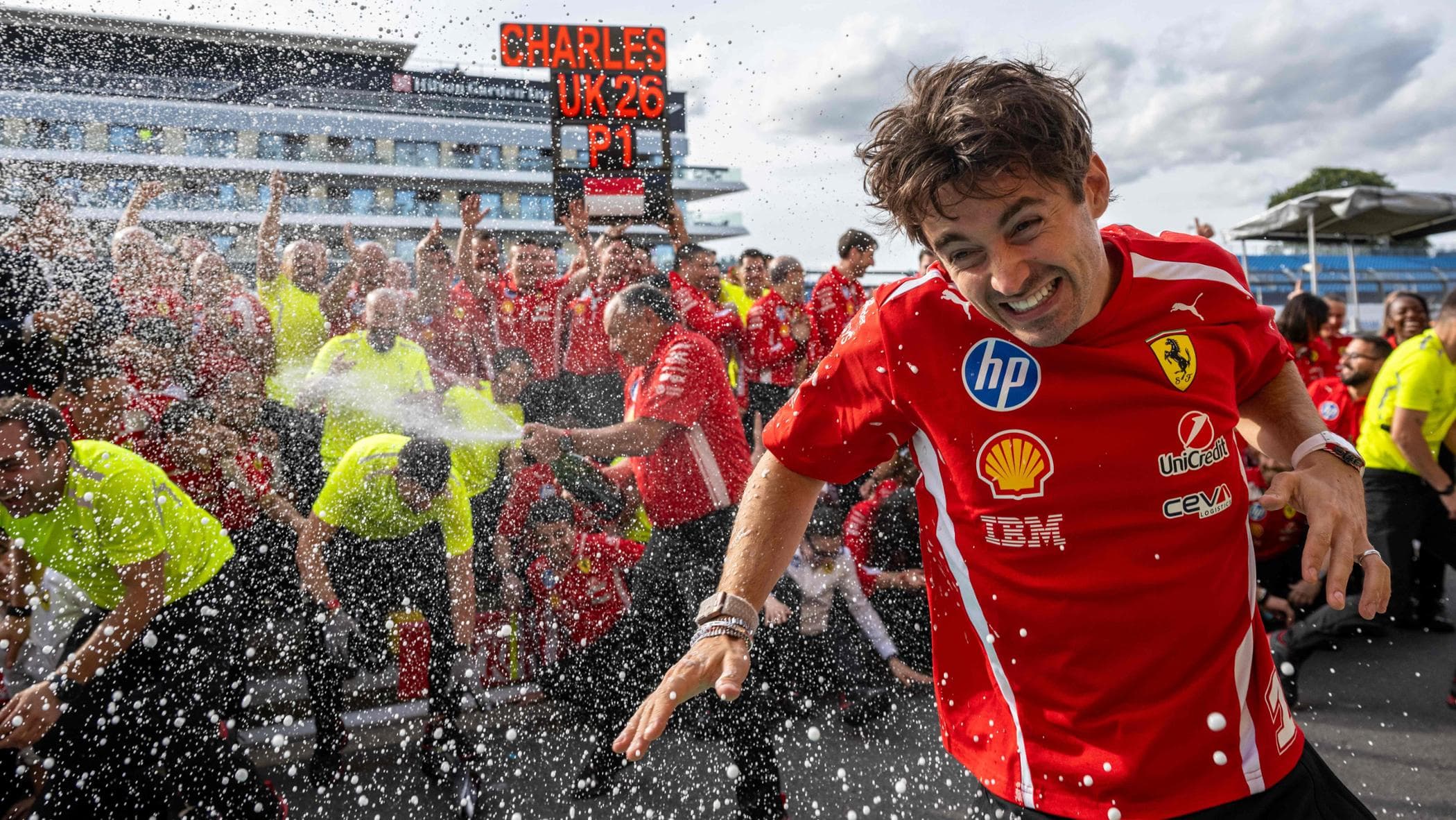
Charles Leclerc, the Monegasque driver, has asserted his prowess following his victory at the British Grand Prix held at Silverstone. Leclerc's win comes after a period where his performance had been questioned by some observers. He expressed relief and vindication, stating that he had not "become bad" as some suggestions might have implied. The race at Silverstone proved to be a significant event for the driver, marking a return to a winning form that silenced his critics. This triumph is expected to boost his confidence and reaffirm his position as a top contender in the Formula 1 championship. The success at the historic Silverstone circuit is a testament to his skill and the team's efforts. Leclerc's performance demonstrated a strong comeback, highlighting his resilience in the face of scrutiny. The victory underscores his capability to perform under pressure and deliver exceptional results when it matters most.
Charles Leclerc's assertion following his British Grand Prix victory addresses the narrative surrounding driver performance and public perception. The event highlights the intense scrutiny faced by Formula 1 athletes, where a few suboptimal races can lead to widespread questioning of established talent. This dynamic underscores the psychological pressures inherent in elite sports, where maintaining confidence is as crucial as technical skill. Leclerc's statement serves as a reminder of the cyclical nature of performance in high-stakes competition and the importance of resilience against external narratives. Future team strategies may need to incorporate more robust mental conditioning alongside technical development to navigate these intense public and media pressures, ensuring sustained peak performance across a demanding season.
AI-generated to prompt reflection — not editorial opinion, not advice, not a statement of fact. How this works.