Lecturer Proposes 18 Reforms for Bangladesh's Primary Education System
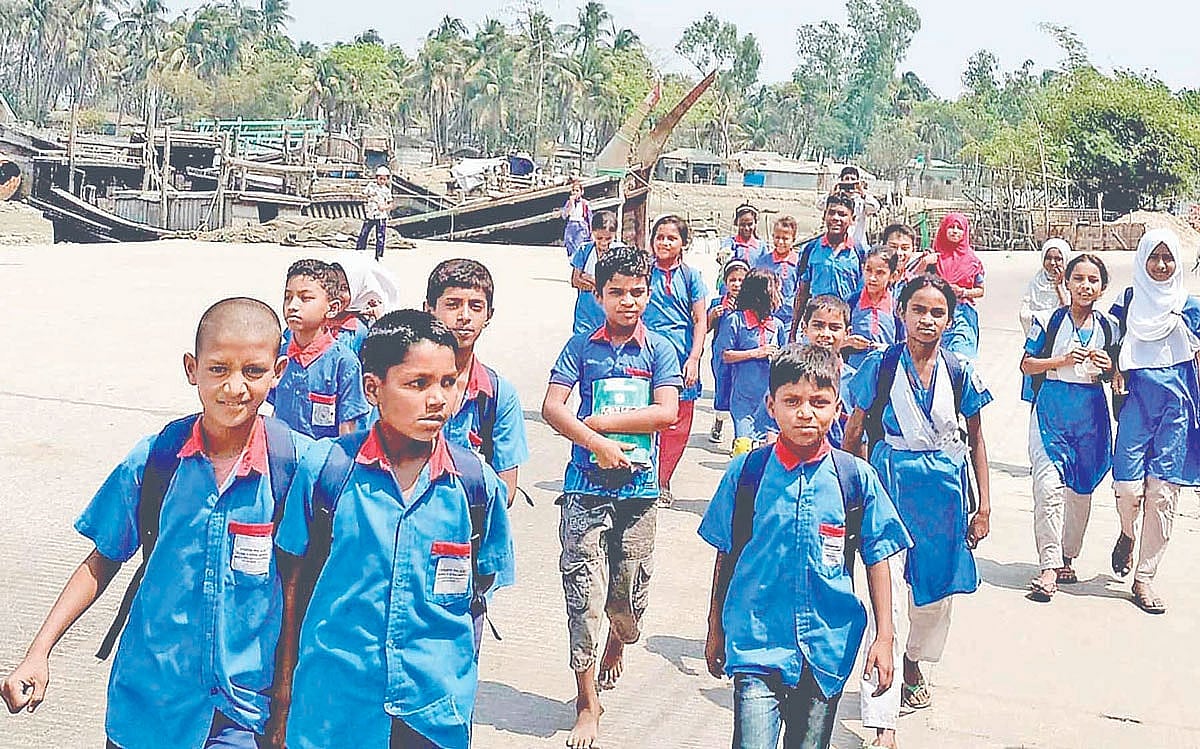
A lecturer from Bancharampur Government Degree College, Faisal Habib, has put forth 18 specific recommendations to reform Bangladesh's primary education system, which currently serves over 20 million students across 118,607 schools. The system includes 65,569 government and 53,038 private institutions, with a near-equal distribution of students between them. Positive gender parity is observed, with slightly more female students enrolled. The system also accommodates 81,230 students with special needs, supported by 707,216 teachers nationwide. The current teacher-student ratio stands at 1:28, and the government's 100% stipend program aims to improve student retention and reduce financial disparities.
Habib emphasizes that foundational primary education is crucial for intellectual development and equipping children to face future challenges, aligning with SDG 4 for inclusive education. The COVID-19 pandemic has highlighted the need for quality education, not just expansion. The lecturer's recommendations include hiring administrative staff like clerks, office assistants, cleaners, peons, and night guards for each school to allow teachers to focus on instruction. He also suggests constructing modern school buildings with at least 12 rooms, including specialized facilities like libraries and science labs. Furthermore, Habib calls for recruiting 14 qualified teachers per school through the Public Service Commission, providing international-standard training, and implementing disciplinary measures for negligence while rewarding diligent educators. He also advocates for exempting teachers from non-educational duties such as voter registration and census work, enhancing their professional status to that of first-class gazetted officers, and establishing ICT labs with high-speed internet. The proposals extend to appointing sports teachers and counselors, hiring professional accountants per cluster for financial transparency, providing government housing and incentives for teachers in remote areas, and creating a clear promotion and salary scale policy. Finally, Habib recommends ensuring pure drinking water, modern wash blocks, and potentially daycare centers, alongside a universal, free, nutritious mid-day meal program for all students from pre-primary to fifth grade to combat malnutrition and improve learning outcomes.
The proposed reforms address critical systemic issues within Bangladesh's primary education, including administrative burdens on teachers, infrastructure deficits, and the need for enhanced professional development. By suggesting dedicated administrative and support staff, the proposals aim to reallocate teacher time towards pedagogical activities, potentially improving instructional quality. The emphasis on modern facilities, technology integration, and continuous training reflects a forward-looking approach, acknowledging the evolving demands of education in the digital age. However, the financial implications of hiring additional personnel and constructing new facilities require careful consideration of resource allocation and fiscal sustainability. Furthermore, ensuring equitable implementation across diverse geographical regions, particularly in remote areas, will be a significant governance challenge. The proposals also touch upon teacher welfare and professional recognition, which are vital for motivation and retention, but their impact will depend on the clarity and fairness of the proposed promotion and salary policies.
AI-generated to prompt reflection — not editorial opinion, not advice, not a statement of fact. How this works.