Lee Byung-tae Resigns Hours After Being Advised, Offers No Apology for May 18 Remarks
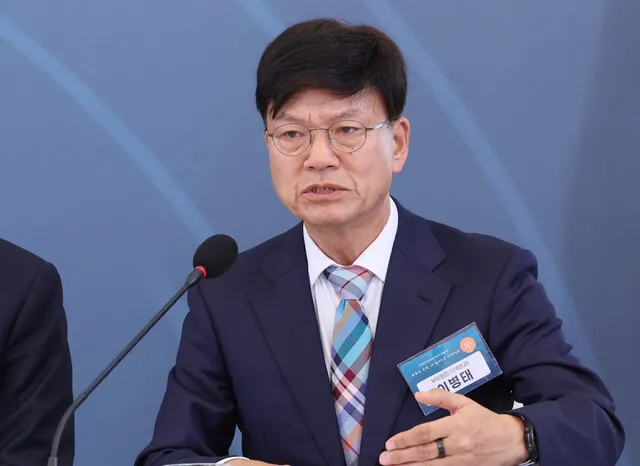
Lee Byung-tae has stepped down from his position just two hours after receiving a recommendation to resign. The decision comes in the wake of controversial remarks he made concerning the May 18 Gwangju Uprising. Despite his resignation, Lee Byung-tae has not issued an apology for his statements. The specific nature of his remarks and the exact context of the May 18 Gwangju Uprising comments have not been detailed. This rapid resignation follows the advisory recommendation, indicating a swift response from the relevant authorities or organizations. The lack of an apology suggests Lee Byung-tae may stand by his statements or believes an apology is not warranted. The situation has drawn public attention due to the historical and sensitive nature of the May 18 Gwangju Uprising in South Korea. Further details regarding the advisory body and the specific content of Lee Byung-tae's remarks are awaited.
The rapid resignation of Lee Byung-tae following a recommendation highlights the sensitivity surrounding historical events like the May 18 Gwangju Uprising in South Korea. The decision to step down, without offering an apology, suggests a potential conflict between the individual's perspective and the prevailing public or institutional consensus regarding the interpretation of historical events. This situation underscores the ongoing societal discourse and the challenges in navigating differing historical narratives. Future considerations may involve establishing clearer guidelines for public discourse on sensitive historical topics to foster more constructive dialogue and prevent similar controversies.
AI-generated to prompt reflection — not editorial opinion, not advice, not a statement of fact. How this works.