Legal and Practical Concerns Over Relocating Landless Citizens
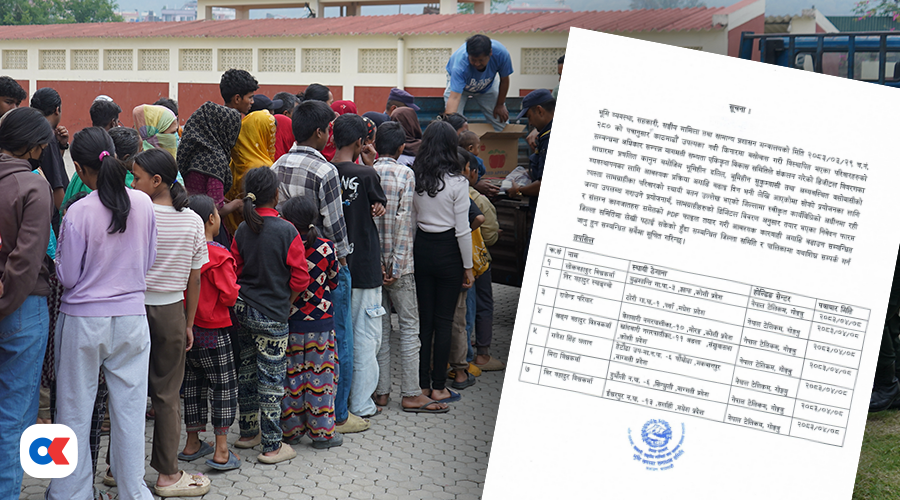
Experts argue that the decision to send landless individuals displaced by bulldozers back to their districts of citizenship is neither legally sound nor practically feasible. The move, which aims to relocate homeless people to their permanent addresses, has raised questions about its adherence to legal frameworks and its real-world implications. Many of those affected are landless and have been living in their current locations without permanent housing. The authorities' decision to send them back to their districts of origin, where they may not have established residency or support systems, is being scrutinized. This policy could create further hardship for already vulnerable populations, potentially exacerbating their precarious living conditions. The core issue revolves around the conflict between the government's directive and the lived realities of the displaced population, highlighting a potential disconnect in policy implementation.
The policy of relocating landless citizens to their districts of origin, following displacement, presents a complex challenge. While intended to address issues of residency and potentially streamline services, it risks disrupting established, albeit informal, social and economic networks that vulnerable populations rely upon. The legal justification for such a mandate requires careful examination, particularly concerning property rights and the right to shelter. From a systemic perspective, this approach may overlook the underlying causes of homelessness and landlessness, such as economic inequality and lack of affordable housing, potentially creating a cycle of displacement rather than offering sustainable solutions. Future policy considerations should focus on integrated urban planning and social support systems that address root causes and ensure the dignity and rights of all citizens.
AI-generated to prompt reflection — not editorial opinion, not advice, not a statement of fact. How this works.