Legal Expert Explains Consequences of Dr. Fauci Invoking Fifth Amendment
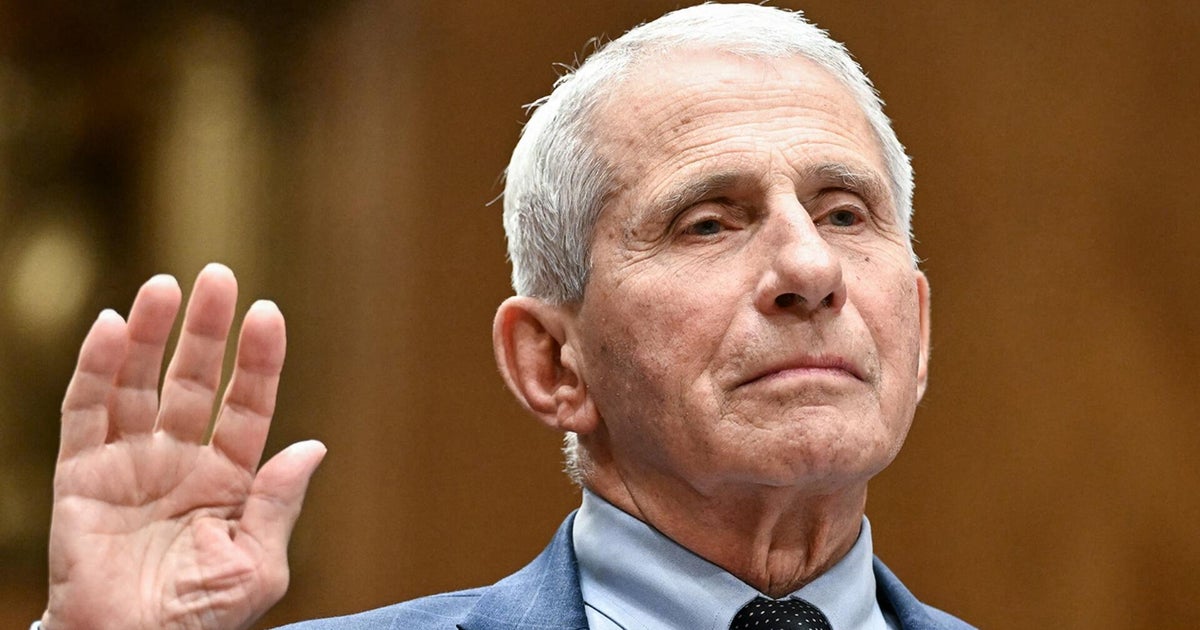
CBS News legal contributor Jessica Levinson has analyzed the legal ramifications of Dr. Anthony Fauci invoking his Fifth Amendment right against self-incrimination. This occurred during a Senate hearing on Wednesday where lawmakers questioned him regarding the COVID-19 pandemic. The Fifth Amendment protects individuals from being compelled to testify against themselves in legal proceedings. Levinson's analysis focuses on whether invoking this constitutional protection could lead to any form of punishment for Dr. Fauci. The discussion stems from the intense scrutiny and questioning faced by public health officials concerning the government's response to the pandemic. The legal expert aims to clarify the boundaries and protections afforded by the Fifth Amendment in such high-profile governmental inquiries. Her insights provide a breakdown of the legal framework surrounding Dr. Fauci's decision and its potential consequences.
The invocation of the Fifth Amendment by Dr. Anthony Fauci during congressional questioning on the COVID-19 pandemic highlights a critical tension between legislative oversight and individual constitutional rights. While the Fifth Amendment provides a robust protection against compelled self-incrimination, its use in a public health context can be perceived through various lenses, including public trust and accountability. From a systems perspective, such events underscore the challenges in balancing transparency demands with the legal safeguards available to individuals, even those in prominent public service roles. Future legislative and judicial processes may need to refine mechanisms for information gathering and testimony that respect both constitutional rights and the public's right to understand critical historical events, particularly in the context of evolving public health crises and the increasing role of AI in data analysis and public communication.
AI-generated to prompt reflection — not editorial opinion, not advice, not a statement of fact. How this works.