Legionella Outbreak Kills Two, No Investigation Launched Yet
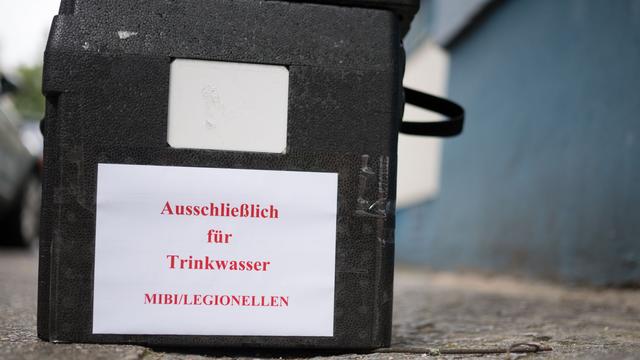
A serious health hazard has emerged in Germany following a Legionella bacteria infestation that has resulted in two fatalities. Despite the gravity of the situation, no official investigation has been initiated at this time. The specific location and circumstances surrounding the outbreak remain unclear, but the presence of Legionella bacteria poses a significant risk to public health. Legionella can cause a severe form of pneumonia known as Legionnaires' disease, which can be fatal, particularly for individuals with weakened immune systems or underlying health conditions. The lack of an immediate investigation raises questions about the response protocols for such public health emergencies. Further details regarding the affected individuals and the source of the contamination are expected to be released as the situation develops. Public health authorities are likely monitoring the situation closely, though the absence of formal investigative proceedings is notable.
The reported Legionella outbreak resulting in two deaths, without an immediate investigation, highlights potential systemic gaps in public health response protocols. While investigations can be complex and require time to initiate, the swift identification and containment of such threats are crucial to prevent further harm. The situation underscores the importance of robust surveillance systems and clear mandates for action when infectious agents pose a significant public health risk. Examining the triggers and timelines for launching official inquiries in such cases could reveal opportunities to enhance preparedness and ensure timely accountability, thereby safeguarding public well-being in the face of environmental health hazards.
AI-generated to prompt reflection — not editorial opinion, not advice, not a statement of fact. How this works.