Legionnaires' Disease Outbreak in New York: Two Dead, 72 Infected
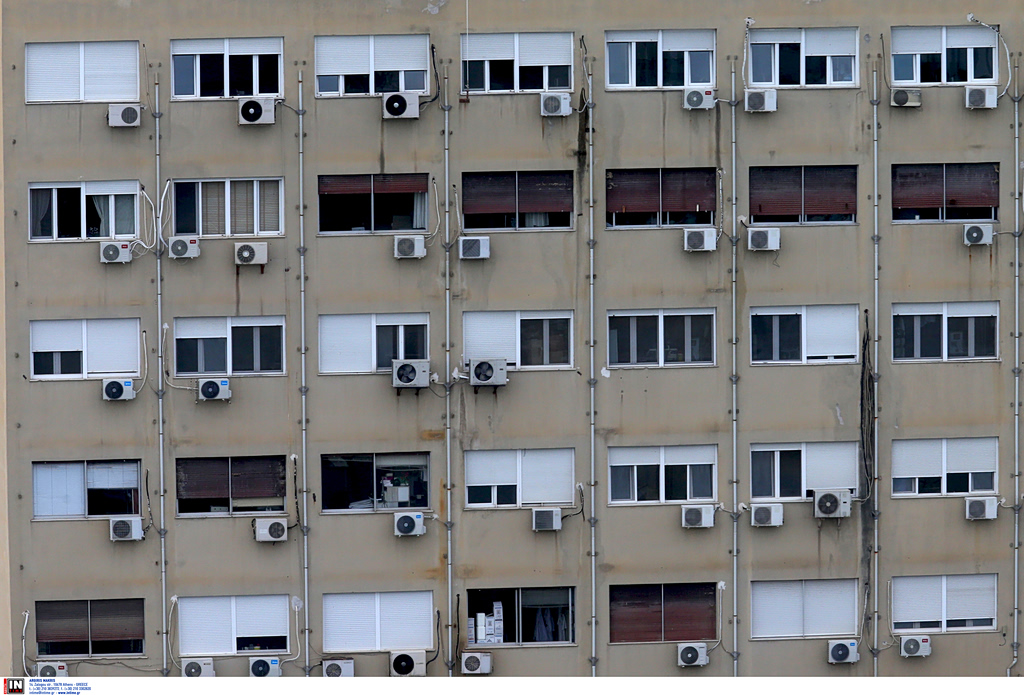
An outbreak of Legionnaires' disease has been reported in New York, resulting in two fatalities and affecting 72 individuals. The illness, also known as "air conditioner disease," has raised public health concerns. Legionnaires' disease is a severe form of pneumonia caused by the Legionella bacteria. These bacteria are naturally found in freshwater environments but can grow in man-made water systems, such as those in cooling towers, hot tubs, and plumbing systems, especially when water is warm and stagnant. Transmission occurs when people inhale water droplets containing the bacteria, typically from contaminated sources like mist from cooling towers or showers. Symptoms usually appear within 2 to 14 days after exposure and can include cough, shortness of breath, fever, muscle aches, and headaches. Severe cases can lead to respiratory failure, shock, and kidney failure. Public health officials are investigating the source of the outbreak to implement control measures and prevent further spread. The focus is on identifying and decontaminating potential sources of the bacteria within the affected areas.
This Legionnaires' disease outbreak highlights the critical need for robust public health infrastructure and vigilant environmental monitoring, particularly in urban settings. The disease's link to water systems, often associated with cooling towers and HVAC systems, underscores the potential for environmental factors to impact public health. As climate change leads to more frequent and intense heatwaves, the reliance on cooling systems may increase, potentially creating more breeding grounds for Legionella bacteria if maintenance protocols are not strictly adhered to. Future public health strategies should consider the intersection of urban development, climate adaptation, and infectious disease prevention, emphasizing proactive surveillance and rapid response mechanisms to mitigate risks associated with man-made water systems.
AI-generated to prompt reflection — not editorial opinion, not advice, not a statement of fact. How this works.