Legionnaires' Disease Outbreak in NYC: 2 Dead, Over 70 Infected
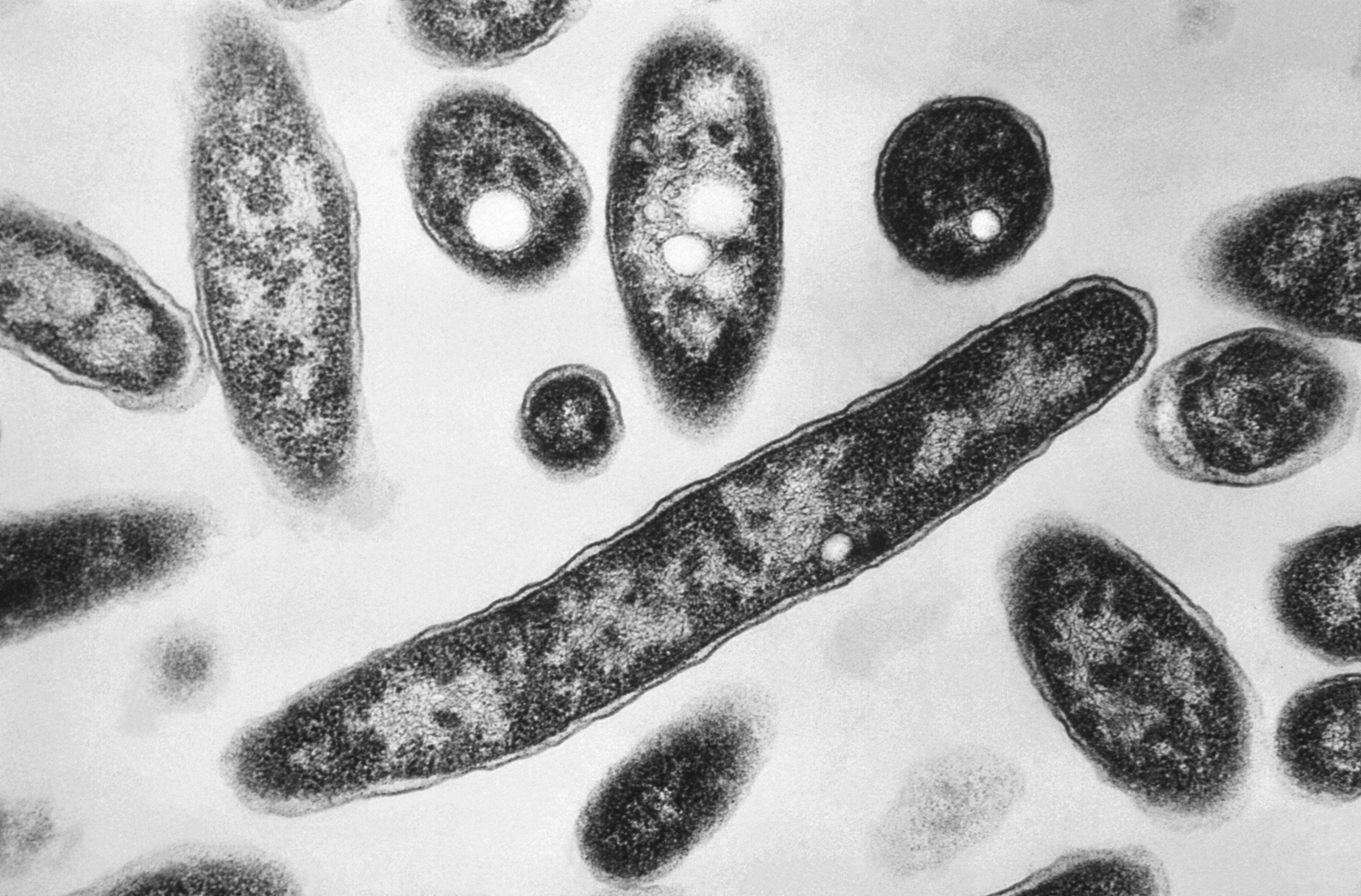
A Legionnaires' disease outbreak in New York City's Upper East Side has resulted in two deaths and infected 72 people, according to the NYC Department of Health. Legionnaires' disease is a severe form of pneumonia caused by the Legionella bacteria, which naturally occurs in aquatic environments. The bacteria thrive in artificial water systems, particularly those with warm, stagnant water, such as cooling towers, air conditioning systems, plumbing, spas, and decorative fountains.
Infection occurs when individuals inhale contaminated water droplets suspended in the air; it is not transmitted person-to-person or through drinking water. Health authorities are investigating the source of the current contamination, with a focus on building cooling towers in the affected area. Building owners have been instructed to empty, clean, and disinfect these systems. The number of new cases has been declining, suggesting the primary exposure source may have been addressed. This outbreak follows a similar one in Harlem less than a year prior, which affected over 100 people and caused seven deaths.
Symptoms, appearing two to ten days after exposure, include high fever, cough, shortness of breath, muscle aches, headache, and fatigue. Some may also experience diarrhea, nausea, confusion, or altered consciousness. Treatment involves antibiotics and is most effective when initiated early. The Centers for Disease Control and Prevention (CDC) reports a mortality rate of about 10% for diagnosed cases. While anyone can contract the infection, the elderly, smokers, and individuals with chronic lung disease, diabetes, kidney failure, cancer, or weakened immune systems are at higher risk for severe illness. Prevention relies on regular maintenance, cleaning, disinfection, and monitoring of water systems to prevent Legionella multiplication.
This Legionnaires' disease outbreak highlights the critical importance of maintaining urban water infrastructure, particularly large building cooling systems. The recurrence of such events in New York City, less than a year after a previous outbreak, suggests a systemic challenge in ensuring consistent adherence to preventive maintenance protocols across multiple properties. Public health agencies face the ongoing task of not only responding to outbreaks but also reinforcing regulatory compliance and educating building management on the risks associated with Legionella proliferation. Future strategies may involve enhanced monitoring technologies, stricter enforcement of maintenance standards, and exploring innovative water treatment methods to mitigate the risk of these preventable, yet potentially fatal, infections in densely populated environments.
AI-generated to prompt reflection — not editorial opinion, not advice, not a statement of fact. How this works.