Legionnaires' Disease Outbreak in NYC Claims Sixth Victim Amid 90 Cases
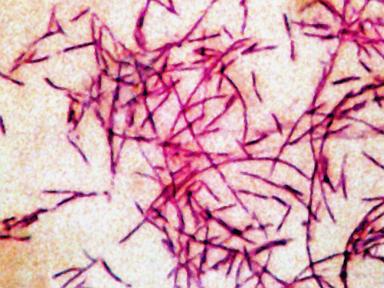
New York City health officials have confirmed the sixth death resulting from an ongoing Legionnaires' disease outbreak. The New York City Health Department reports that at least 90 cases of the illness have been identified in connection with this outbreak. Legionnaires' disease is a severe form of pneumonia caused by the Legionella bacteria. It is typically contracted by inhaling contaminated water mist. The bacteria are found naturally in freshwater environments, such as lakes and streams, but can also grow in man-made water systems like hot tubs, cooling towers, and plumbing systems. While most people who are exposed to Legionella do not get sick, some individuals, particularly those with weakened immune systems, older adults, and smokers, are at higher risk of developing the disease. Public health authorities are working to identify the source of the contamination and implement control measures to prevent further spread. Residents are advised to report any concerns about water systems to the health department.
This outbreak highlights the persistent public health challenge posed by waterborne pathogens in urban environments. The identification of multiple cases and fatalities underscores the critical need for robust infrastructure maintenance and vigilant monitoring of public water systems, particularly cooling towers, which are known reservoirs for Legionella. The situation prompts consideration of regulatory frameworks governing building water safety and the potential for advanced detection technologies to preemptively identify and mitigate risks. Future public health strategies may need to integrate proactive environmental surveillance with enhanced community communication protocols to manage such outbreaks more effectively and minimize their impact on vulnerable populations.
AI-generated to prompt reflection — not editorial opinion, not advice, not a statement of fact. How this works.