Leipzig Loses Top Airport Ranking as Stop Bars Remain Permanently Active
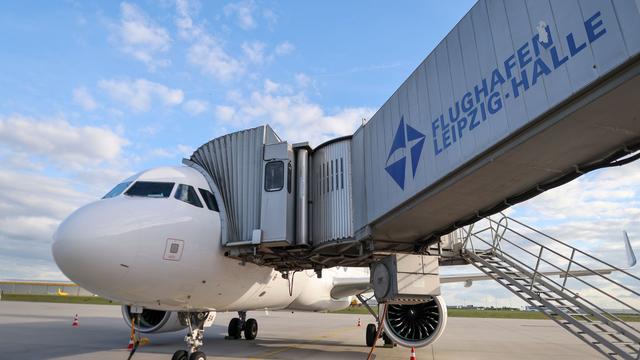
Leipzig/Halle Airport has lost its leading position in the airport check due to the permanent operation of stop bars. These lights, which are part of the runway lighting system, are intended to prevent aircraft from entering active runways or taxiways when it is unsafe. Their continuous activation suggests a persistent safety concern or a change in operational procedures at the airport. The specific reasons for the permanent activation of the stop bars and the implications for Leipzig's ranking have not been fully detailed. However, the airport check typically evaluates various operational and safety metrics. The shift in Leipzig's standing indicates that this particular aspect of runway safety management has been flagged as a point of concern or a deviation from best practices compared to other airports.
The permanent activation of stop bars at Leipzig/Halle Airport, leading to a decline in its ranking, highlights a critical intersection of operational safety and performance metrics. This development prompts an examination of how standardized safety protocols, designed for intermittent use, are managed when their continuous operation becomes the norm. It suggests a potential need for reassessment of the underlying safety triggers or a review of the airport's traffic management system. The incident underscores the importance of adaptive safety management frameworks that can evolve with changing operational demands and technological advancements, ensuring that safety measures remain effective and efficient without unduly impacting operational flow or creating new systemic vulnerabilities. Future airport assessments may need to differentiate between proactive safety enhancements and the long-term implications of sustained, non-standard operational states.
AI-generated to prompt reflection — not editorial opinion, not advice, not a statement of fact. How this works.