Leonardo's son, Matheus Vargas, on recording father's life story: 'It was magical'
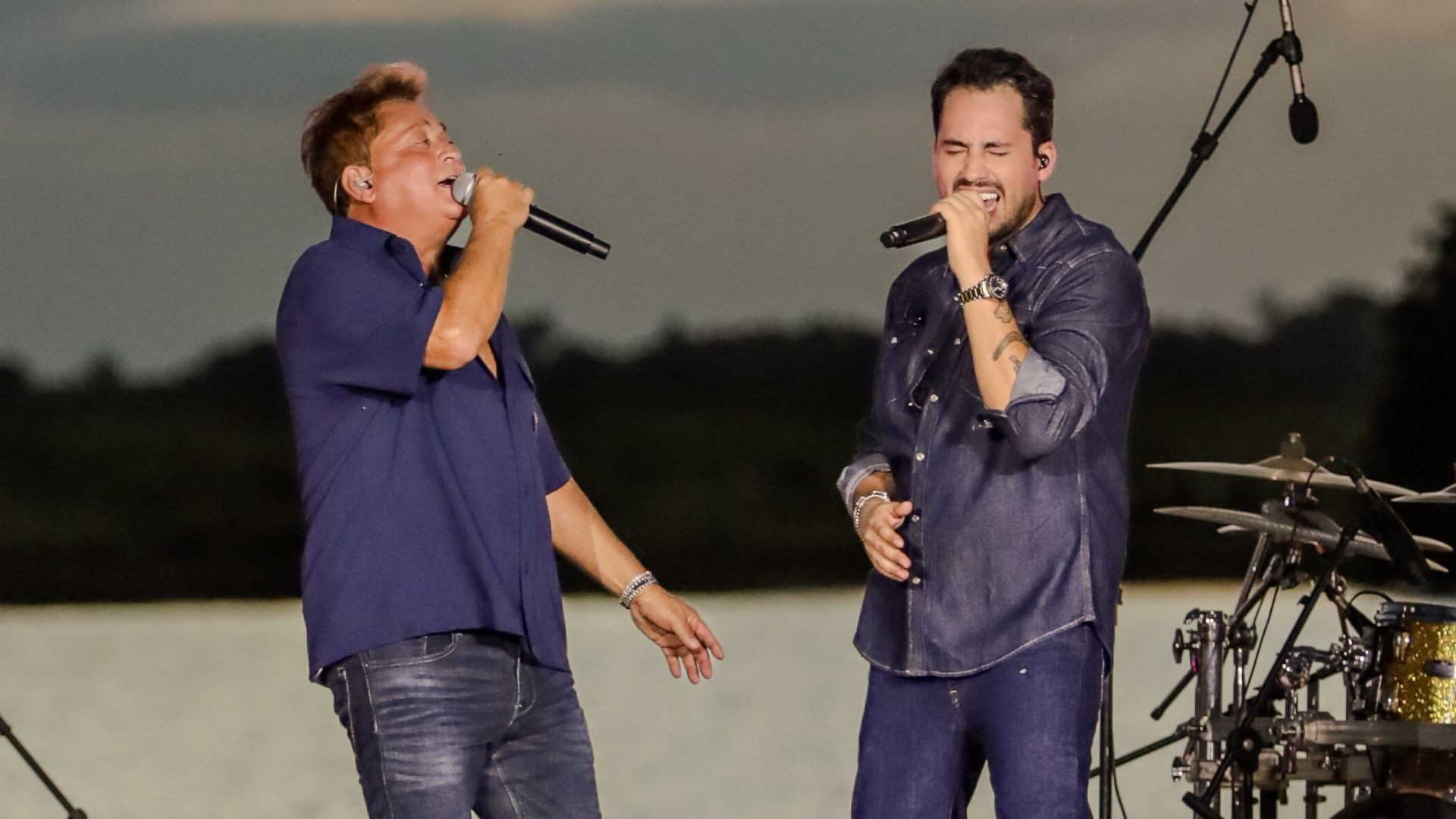
Matheus Vargas, son of Brazilian singer Leonardo, has spoken about the emotional experience of recording a song detailing his father's life story for his project 'DNA'. This marks the first time the father and son have collaborated on a recording, with Matheus describing the moment as magical. The recording took place at Fazenda Talismã, a location significant to the family. The project also features Matheus's brother, Pedro Leonardo, who re-recorded the hit song 'Toque de Mágica' with him. The initial part of the project, featuring Leonardo, was released on Friday, November 24th, on YouTube and audio streaming platforms. The song 'DNA', which lends its name to the EP, is co-written by Matheus, Léo Rocatto, and Vinny Peres.
Matheus explained that the 'DNA' project symbolizes his origins and represents the most significant work of his career to date. The lyrics incorporate family stories and characteristics. He shared that the title track, dedicated to Leonardo, begins with lines acknowledging his father's past as a 'womanizer' and 'heavy drinker,' which Leonardo humorously questioned before acknowledging its truth. Matheus finds inspiration in his father's enduring career, his ability to bring joy, and his resilience through life's challenges. He values Leonardo's advice on everything from concert logistics to navigating difficult times in the music industry. The recording session for the song with Leonardo was reportedly spontaneous and completed in one take. Matheus aims to emulate his father's continuity and happiness in his own career.
This collaboration highlights the intergenerational transfer of artistic legacy within the Vargas family, framed through a musical project. The choice of Fazenda Talismã and the re-recording of 'Toque de Mágica' underscore a deliberate effort to connect contemporary work with established family history and past successes. The lyrical content of 'DNA' directly addresses public perceptions and personal histories, offering a candid, albeit potentially commercialized, narrative of the elder Vargas's life. For Matheus, this project serves as a platform to leverage his father's established brand while carving out his own artistic identity, drawing on familial experience as both inspiration and a strategic advantage in a competitive music market. The success of such ventures often hinges on balancing authenticity with audience expectations, particularly when dealing with the complex public personas of established artists.
AI-generated to prompt reflection — not editorial opinion, not advice, not a statement of fact. How this works.