Les Gavarres Forest Shows Signs of Recovery One Month After Devastating Fire
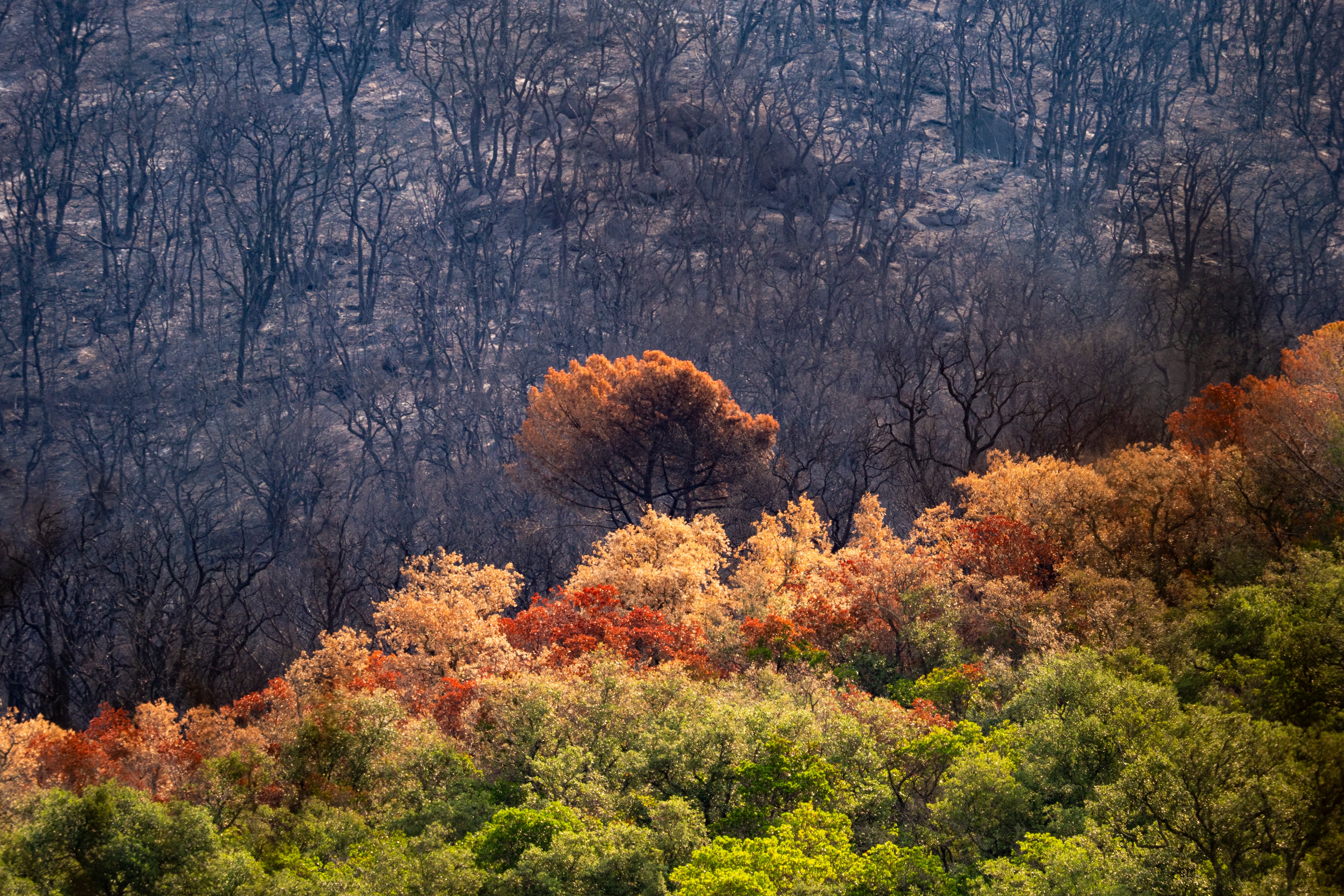
One month after a fire ravaged 2,200 hectares of the Les Gavarres forest, the first signs of regrowth are emerging. Shoots are appearing among the charred remains of the trees, indicating a natural regeneration process is underway. The fire, which consumed a significant portion of the natural park, prompted widespread concern for its ecological impact. However, the appearance of new life offers a glimmer of hope for the forest's recovery. Conservation efforts are expected to focus on supporting this natural resurgence and mitigating the long-term effects of the blaze. The resilience of the ecosystem is being closely monitored by environmental agencies and local communities. This event underscores the vulnerability of forested areas to climate change and the importance of robust fire prevention and response strategies.
The emergence of new growth in the Les Gavarres forest following a major fire highlights the inherent resilience of natural ecosystems. While the immediate impact of the 2,200-hectare blaze was devastating, the visible signs of regeneration suggest that the forest's capacity for recovery is significant. This event serves as a critical case study for understanding ecological response to extreme weather events, a phenomenon likely to increase in frequency due to climate change. Future management strategies for such areas will need to balance immediate intervention with allowing natural recovery processes to take hold, considering the long-term implications for biodiversity and carbon sequestration. The incident also prompts reflection on the efficacy of current fire prevention and suppression technologies and policies in safeguarding vulnerable natural resources.
AI-generated to prompt reflection — not editorial opinion, not advice, not a statement of fact. How this works.