Lessons from the 2026 Respiratory Winter
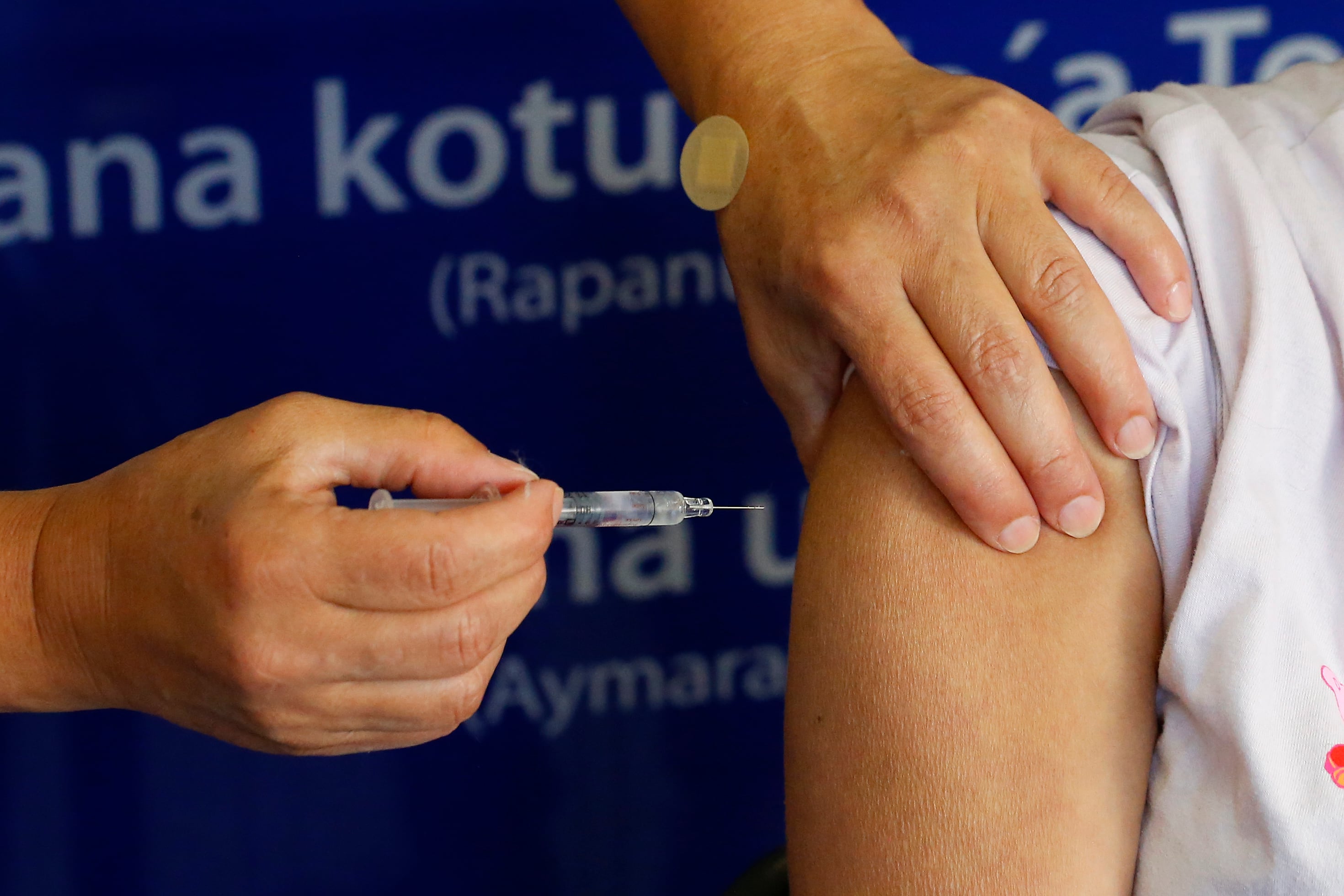
The approach to managing epidemics needs to shift from reactive responses to a predictive model, according to María Jesús Hald, an epidemiologist and Director of Continuing Education at the Faculty of Medicine at Universidad Andrés Bello. The primary goal in the 21st century should not be to prevent viruses from circulating entirely, but rather to ensure that populations are adequately protected when they do. This evolving epidemiological strategy emphasizes proactive measures and population resilience over solely containment efforts. The focus is on building robust immunity within communities to mitigate the impact of viral outbreaks. This predictive epidemiology aims to anticipate and prepare for future health challenges, rather than just responding to them as they arise. The emphasis is on long-term population health and preparedness.
The shift towards predictive epidemiology highlights a proactive public health paradigm. This approach acknowledges the inevitability of viral circulation and prioritizes population-level immunity as the primary defense mechanism. Such a strategy could reduce the societal and economic disruption caused by widespread outbreaks. However, achieving and maintaining high levels of population protection will require sustained investment in public health infrastructure, accessible vaccination programs, and ongoing public education campaigns. The challenge lies in balancing predictive modeling with equitable access to protective measures, ensuring that vulnerable populations are not left behind in this evolving public health landscape.
AI-generated to prompt reflection — not editorial opinion, not advice, not a statement of fact. How this works.