Lettuce Outbreak Fuels Consumer Distrust in Salads and Produce
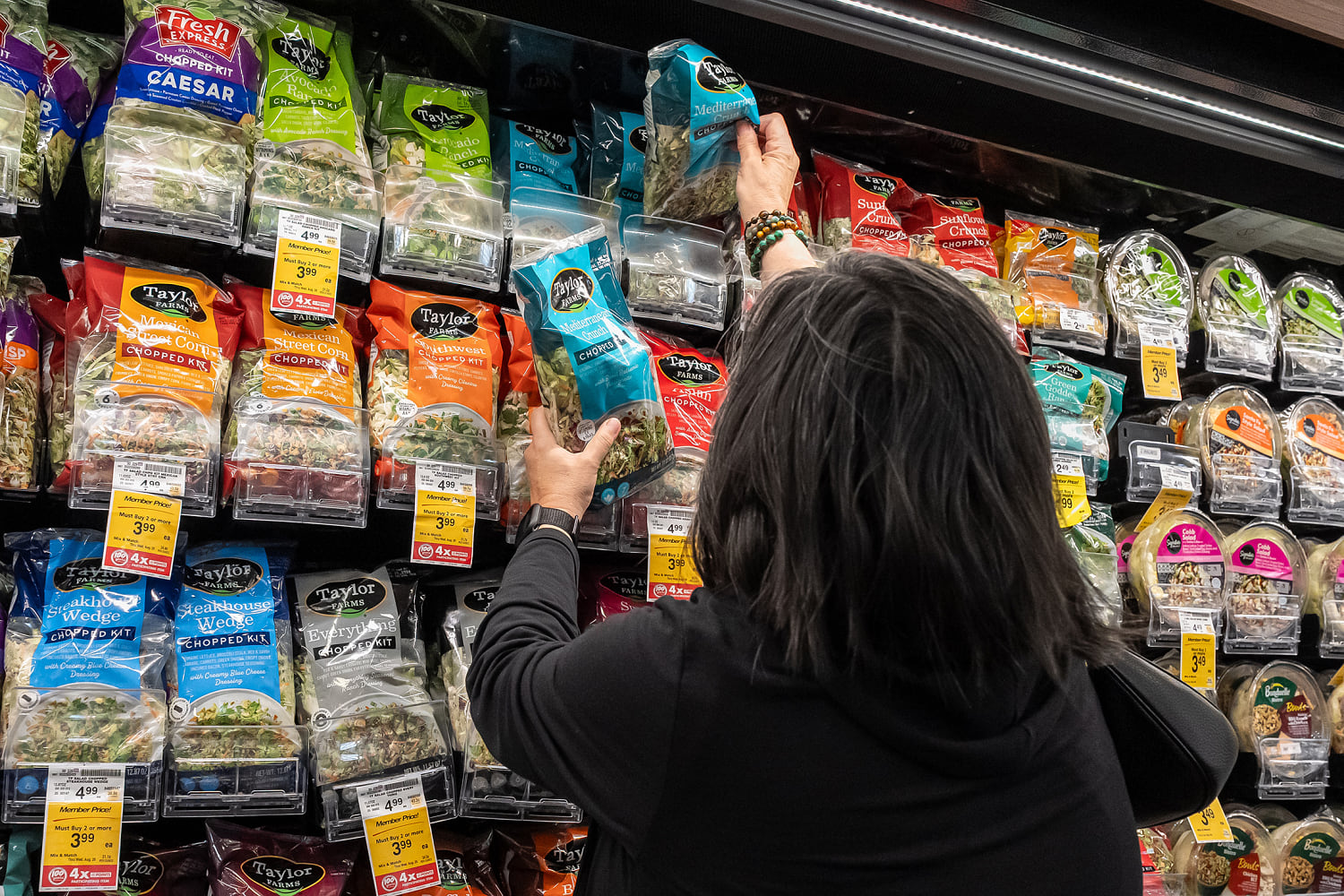
A recent cyclospora outbreak has led to widespread consumer apprehension, causing many Americans to avoid popular dishes like salads and burrito bowls. This incident has raised significant questions about the safety and trustworthiness of lettuce and potentially other produce items. The fear generated by the outbreak extends beyond immediate dietary choices, impacting consumer confidence in the food supply chain. As a result, the availability and sales of lettuce products may be affected, with consumers becoming more cautious about their food purchases. The long-term implications for the agricultural industry and consumer trust in leafy greens remain a concern. This event highlights the vulnerability of consumer confidence to foodborne illness incidents and the need for robust safety measures.
Foodborne illness outbreaks, such as the one involving cyclospora and lettuce, can have a disproportionately large impact on consumer trust, extending beyond the specific product implicated. This incident underscores the fragility of consumer confidence in the food supply chain, where a single event can trigger widespread avoidance of entire food categories. The economic ramifications for the agricultural sector can be substantial, necessitating a focus on enhanced traceability and safety protocols. Moving forward, the industry must invest in transparent communication and verifiable safety assurances to rebuild and maintain consumer confidence in the face of such challenges. The long-term sustainability of produce consumption may depend on proactive measures that address not only immediate safety but also the psychological impact of these outbreaks on public perception.
AI-generated to prompt reflection — not editorial opinion, not advice, not a statement of fact. How this works.