LFP Battery Safety Tested Under BMS Failure Scenarios
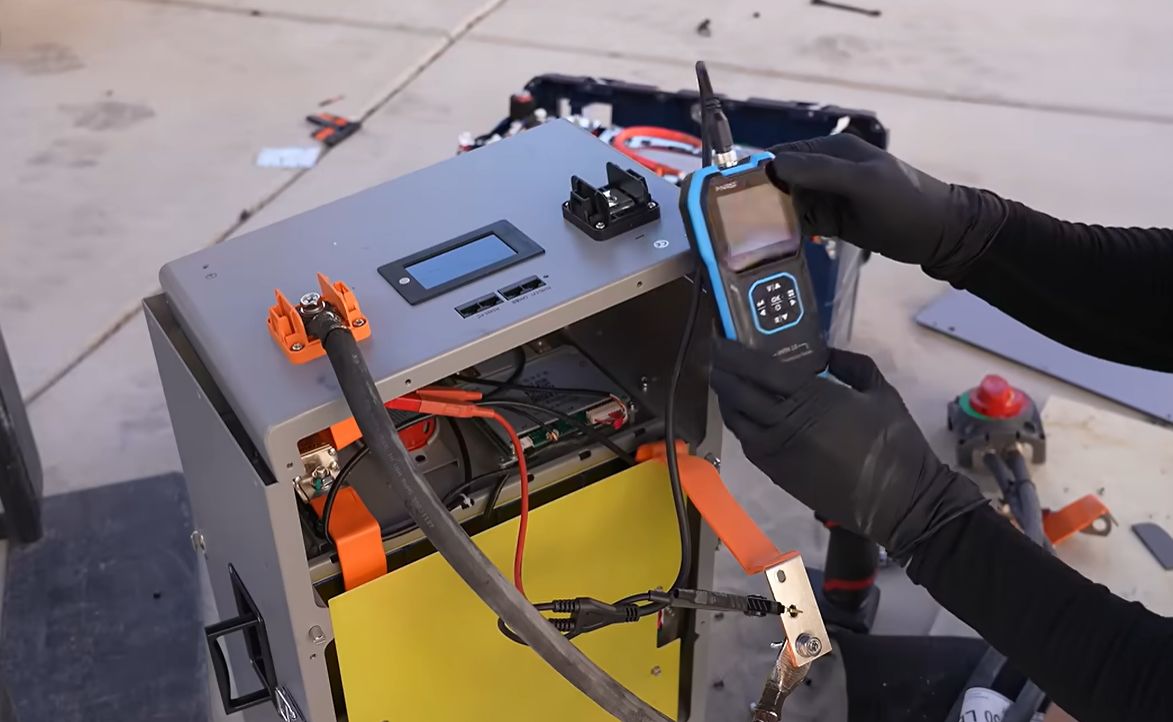
This article explores the safety of Lithium Iron Phosphate (LFP) batteries, acknowledging their general stability while addressing potential failure points. It specifically examines scenarios where the Battery Management System (BMS) might malfunction, leading to catastrophic outcomes. The focus is on demonstrating the inherent safety features of LFP chemistry even when critical control systems like the BMS fail. The content aims to provide a technical understanding of how LFP batteries behave under stress conditions, assuring users of their resilience. It suggests that despite the possibility of BMS failure, the fundamental properties of LFP chemistry offer a significant safety advantage. The article likely delves into specific tests or simulations conducted to validate these safety claims. It underscores the importance of robust battery design and management, even for inherently safe chemistries. The goal is to build confidence in LFP technology by showcasing its performance during critical failure events.
This examination of LFP battery safety under BMS failure highlights the critical interplay between chemical composition and electronic control systems. While LFP chemistry offers inherent thermal stability, the BMS is crucial for preventing overcharging, over-discharging, and thermal runaway. Demonstrating safety during BMS failure is vital for consumer trust and regulatory approval, especially as electric vehicles and grid storage solutions increasingly rely on these technologies. Future developments may focus on fail-safe mechanical or passive thermal management systems that can mitigate risks even if the active BMS ceases to function, ensuring continued safety in the evolving energy landscape.
AI-generated to prompt reflection — not editorial opinion, not advice, not a statement of fact. How this works.