LGBTQ Advocates Urge Revision of Health Education's "Interest in Opposite Sex" Section
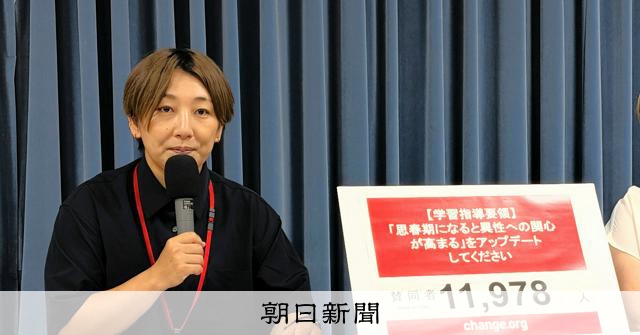
LGBTQ+ individuals and advocates are calling for a review of the current health and physical education curriculum in Japan. Specifically, they are targeting the section that discusses "interest in the opposite sex." This phrasing is seen as exclusionary and not reflective of the diverse spectrum of human sexuality and relationships.
The current curriculum, which often centers on heteronormative perspectives, fails to acknowledge or validate the experiences of LGBTQ+ individuals. Advocates argue that this approach can lead to misunderstanding, stigma, and a sense of alienation among students who do not identify as heterosexual. They believe that a revised curriculum should adopt more inclusive language and concepts.
By updating the curriculum, proponents hope to foster a more understanding and accepting environment for all students, regardless of their sexual orientation or gender identity. This initiative aims to ensure that sex education is comprehensive, accurate, and sensitive to the needs of the entire student population, promoting greater inclusivity within the Japanese education system.
The call to revise health education content reflects a broader societal shift towards recognizing and accommodating diverse gender identities and sexual orientations. The current curriculum's focus on "interest in the opposite sex" highlights a potential disconnect between traditional educational frameworks and contemporary understandings of human sexuality. Updating such content could foster greater inclusivity and reduce stigma, aligning educational materials with evolving social norms and scientific understanding. This adjustment may also serve to better prepare younger generations for a society that increasingly values diversity and individual identity, while also prompting a re-evaluation of how educational institutions can proactively address the needs of all students in an equitable manner.
AI-generated to prompt reflection — not editorial opinion, not advice, not a statement of fact. How this works.