LGBTQ+ Film Protagonist Faces Fat-Shaming and Homophobic Attacks Online
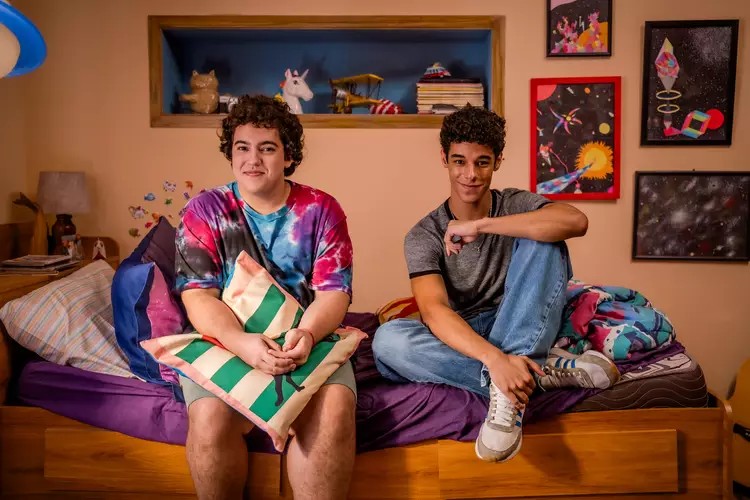
Miguel Lallo, a young actor from Barra Bonita, São Paulo, who stars in the new LGBTQ+ film "Quinze Dias," has revealed he faced significant online harassment. The attacks, which included fat-shaming and homophobic comments, occurred after the film's trailer was released. Lallo noted that many of the hateful messages came from individuals who appeared to be similar to him, including those who were also overweight, leading him to observe, "The oppressed now wants to oppress." He also experienced online criticism after losing weight post-filming, with some speculating about the use of weight-loss medication or his self-acceptance. Lallo explained that his weight loss was for a subsequent acting role and also to address personal health issues. He found it disheartening that the film, which explores themes of bullying, diversity, and first love among teenagers, was not screened in cinemas in his home region of interior São Paulo, limiting access for many, especially within smaller communities. Lallo, who found inspiration in LGBTQ+ media like the film "Hoje Eu Quero Voltar Sozinho" and the work of Paulo Gustavo, struggled to find relatable figures growing up in the interior. He began his acting career in theater and hopes to bring a theatrical production back to his hometown, fulfilling a wish of his late father.
The experience of Miguel Lallo highlights the complex dynamics of online discourse surrounding representation in media. While "Quinze Dias" aims to provide a positive LGBTQ+ narrative, the backlash suggests a societal struggle with body image and internalized prejudice, even within marginalized communities. The film's limited release in certain regions underscores persistent challenges in ensuring equitable access to diverse cultural content, particularly in less urbanized areas. Future media initiatives might benefit from proactive community engagement strategies to foster more inclusive dialogue and mitigate the impact of online toxicity, while also addressing systemic barriers to cultural access.
AI-generated to prompt reflection — not editorial opinion, not advice, not a statement of fact. How this works.