LHS 1140b Exoplanet May Host First Detected Atmosphere
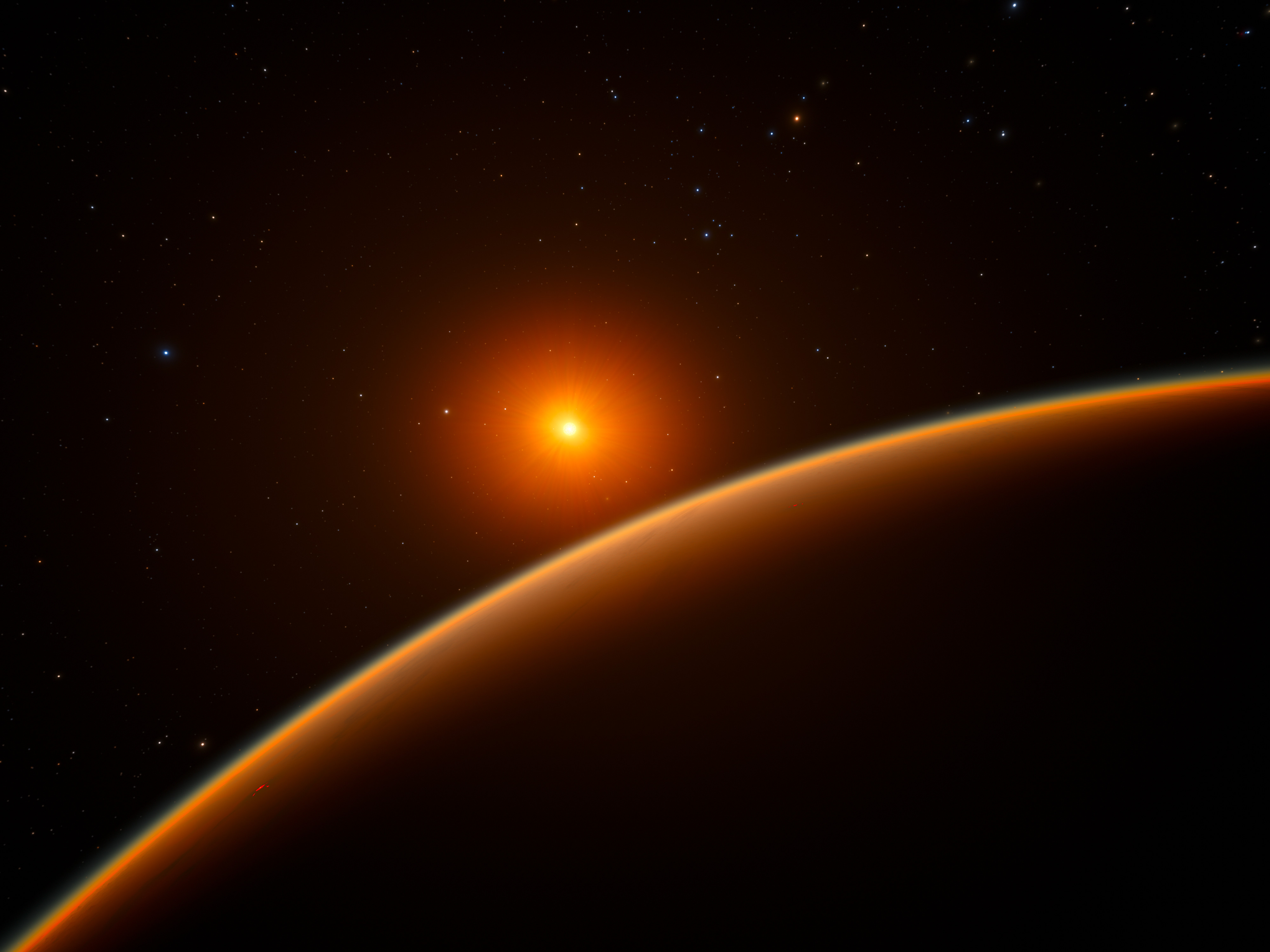
Astronomers have identified the exoplanet LHS 1140b as a potential candidate for hosting the first confirmed atmosphere outside of our solar system. This discovery, if validated, would represent a significant milestone in the search for Earth-like worlds beyond our own. LHS 1140b orbits a red dwarf star located approximately 49 light-years away in the constellation Cetus. The planet resides within its star's habitable zone, meaning conditions might be suitable for liquid water to exist on its surface. Initial observations suggest LHS 1140b is a super-Earth, with a mass about 6.6 times that of Earth and a radius 1.4 times larger. The planet's density indicates it is likely a rocky world. Researchers are utilizing advanced telescopes to analyze the light passing through the exoplanet's potential atmosphere, searching for specific chemical signatures that would confirm its presence and composition. The detection of an atmosphere on a rocky planet within the habitable zone is a crucial step towards identifying potentially life-supporting environments elsewhere in the universe.
The potential discovery of an atmosphere on LHS 1140b highlights the accelerating pace of exoplanet characterization. While the presence of an atmosphere is a prerequisite for habitability as we understand it, it does not guarantee life. Future observations will be critical to determine atmospheric composition, pressure, and stability, which are key factors for assessing true habitability. This finding underscores the importance of continued investment in advanced telescopic technologies and data analysis techniques. The long-term implications involve refining our understanding of planetary formation and the prevalence of potentially habitable worlds, informing the ongoing search for biosignatures and the broader question of life's existence beyond Earth.
AI-generated to prompt reflection — not editorial opinion, not advice, not a statement of fact. How this works.