Libreville Faces Severe Water Crisis as Parallel Supply is Halted
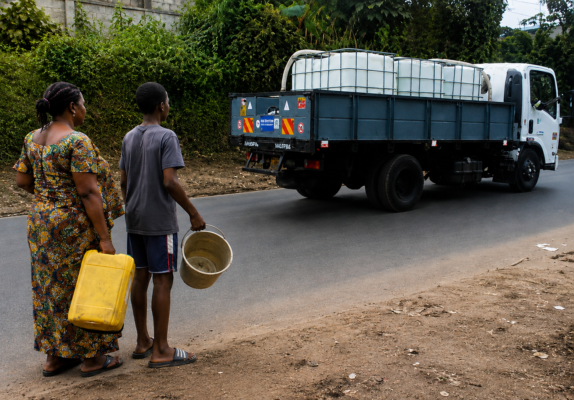
Libreville has been experiencing a severe water shortage for over a decade, with water trickling from taps. The situation has worsened significantly as the parallel supply system, which provided water to thousands of households lacking SEEG service, was abruptly stopped by law enforcement on Tuesday. This action followed a presidential statement addressing the ongoing water crisis. The halt of the alternative water distribution means that many residents are now completely without access to this essential resource. The SEEG, the official water provider, has been unable to meet the demand for years, leading to the emergence of this parallel market. The government's intervention to stop the parallel supply, without an immediate alternative in place, raises concerns about the immediate welfare of affected populations. This development underscores the deep-seated challenges in ensuring reliable water access for the capital city's residents.
The intervention to halt the parallel water supply in Libreville, while potentially aimed at enforcing official service provision, risks exacerbating an existing humanitarian challenge. This situation highlights systemic governance issues in ensuring basic infrastructure like water access for a growing urban population. The reliance on unofficial supply chains suggests a failure in the primary service provider, SEEG, to meet demand, and the abrupt cessation without a clear alternative plan could lead to significant public health and social instability. Future policy should focus on sustainable infrastructure investment and transparent service delivery models that anticipate population growth and ensure equitable access, rather than simply shutting down informal solutions that, however imperfect, provided a lifeline.
AI-generated to prompt reflection — not editorial opinion, not advice, not a statement of fact. How this works.