Libreville Water Crisis: Official Price vs. Inflated Phone Charges
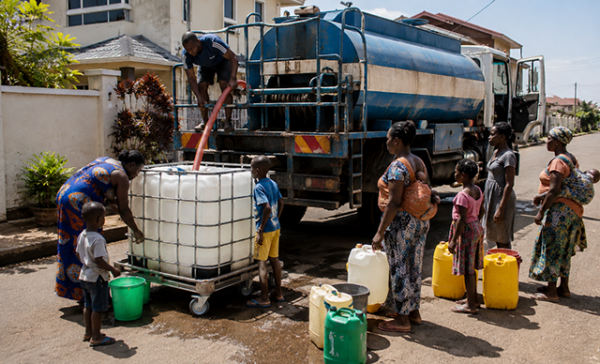
A week after an emergency decree on water scarcity in Libreville, the official water price is being circumvented. Water delivery services claim to have no water at the official rate of 4,000 FCFA. However, they miraculously find water available when customers are willing to pay 10,000 FCFA over the phone. The promised sanctions against these practices have not materialized, and dedicated hotlines are reportedly unresponsive. This situation highlights a significant gap between the regulated price of water and the actual cost consumers face, particularly during periods of scarcity. The lack of enforcement of sanctions further exacerbates the problem, allowing inflated prices to persist unchecked. Residents of Libreville are experiencing a dual challenge: the physical scarcity of water and the financial burden of exorbitant, unofficial charges.
The situation in Libreville reveals a breakdown in the enforcement of official pricing mechanisms for essential services, particularly during times of scarcity. This suggests potential systemic weaknesses in regulatory oversight and the capacity to penalize non-compliance. The disparity between the official 4,000 FCFA rate and the inflated 10,000 FCFA charged via phone indicates that market pressures, coupled with insufficient regulatory enforcement, can lead to price gouging. Moving forward, strengthening oversight bodies, ensuring the effectiveness of hotlines for reporting, and implementing swift, deterrent sanctions would be crucial for restoring public trust and ensuring equitable access to water. The long-term sustainability of such a system hinges on its ability to adapt to demand fluctuations while upholding fair pricing principles.
AI-generated to prompt reflection — not editorial opinion, not advice, not a statement of fact. How this works.