Lidl Reverts to Combustion Engines for Fleet, Citing E-Car Costs
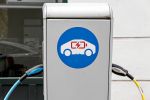
Lidl, through its German parent company, is shifting its company car fleet away from electric vehicles and back to combustion engine cars. This decision appears to be driven by cost considerations related to electric vehicles. Meanwhile, in Austria, there are concerns that planned changes to how network costs are calculated could lead to higher charging tariffs for electric cars. Specifically, the proposed inclusion of peak power consumption in the calculation of these network costs is causing apprehension among some stakeholders. This potential increase in charging expenses could impact the economic viability of electric vehicles for businesses and individuals in Austria.
The decision by Lidl's German parent company to revert to combustion engine vehicles for its fleet suggests a current economic disincentive for electric car adoption, likely tied to total cost of ownership or operational complexities. In Austria, the proposed adjustment to network cost calculations, incorporating peak power usage, indicates a potential recalibration of electricity pricing structures. This shift aims to better allocate grid infrastructure costs, which are often influenced by peak demand. For consumers and businesses, this could mean higher variable charging costs, potentially impacting the economic calculus for EV adoption and usage. The interplay between corporate fleet strategies and national energy pricing policies highlights the evolving economic landscape for electric mobility.
AI-generated to prompt reflection — not editorial opinion, not advice, not a statement of fact. How this works.